Graphics, Pace, and Atmosphere: How Developers Create Unique Experiences in Modern Roulette Variants


Graphics, Pace, and Atmosphere: How Developers Create Unique Experiences in Modern Roulette Variants
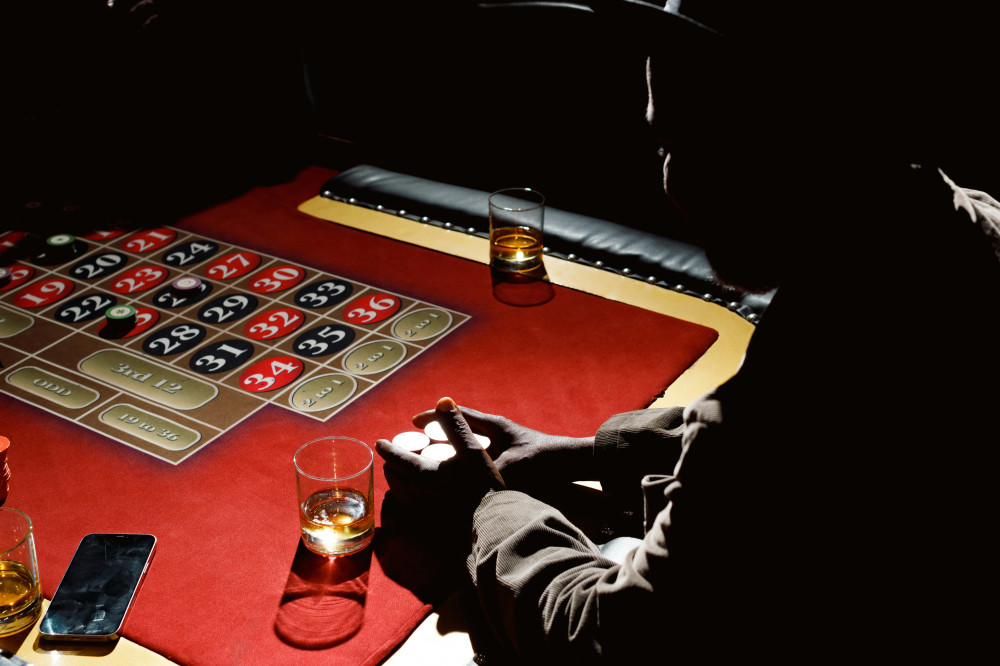
For centuries, roulette has symbolized elegance, chance, and excitement. But as the game has evolved from the casino floor to digital platforms, developers have gained new tools to shape how players experience it. Today, modern roulette is about more than numbers and colors—it’s about the interplay of graphics, pace, and atmosphere that together create a distinctive sense of immersion.
From Classic Charm to Digital Innovation
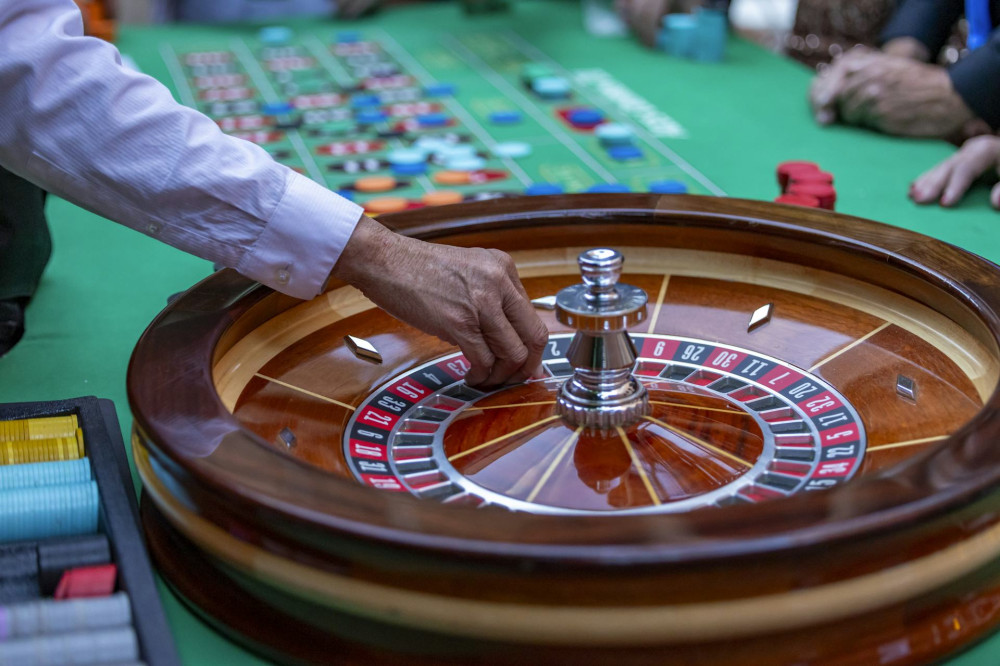
The spinning wheel and green felt of traditional roulette remain at the heart of the game. Yet in the digital era, developers have reimagined this classic setup with cutting-edge technology.
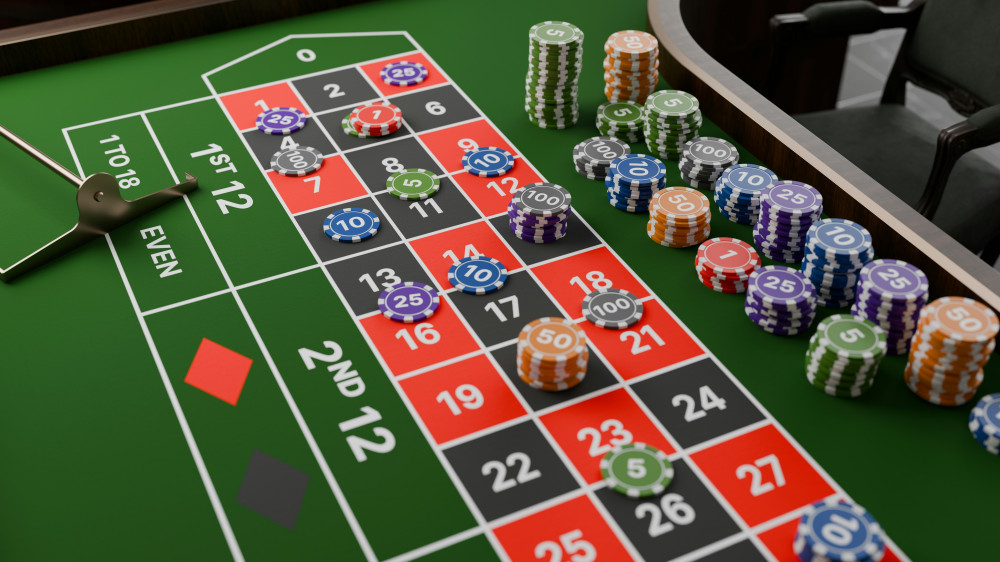
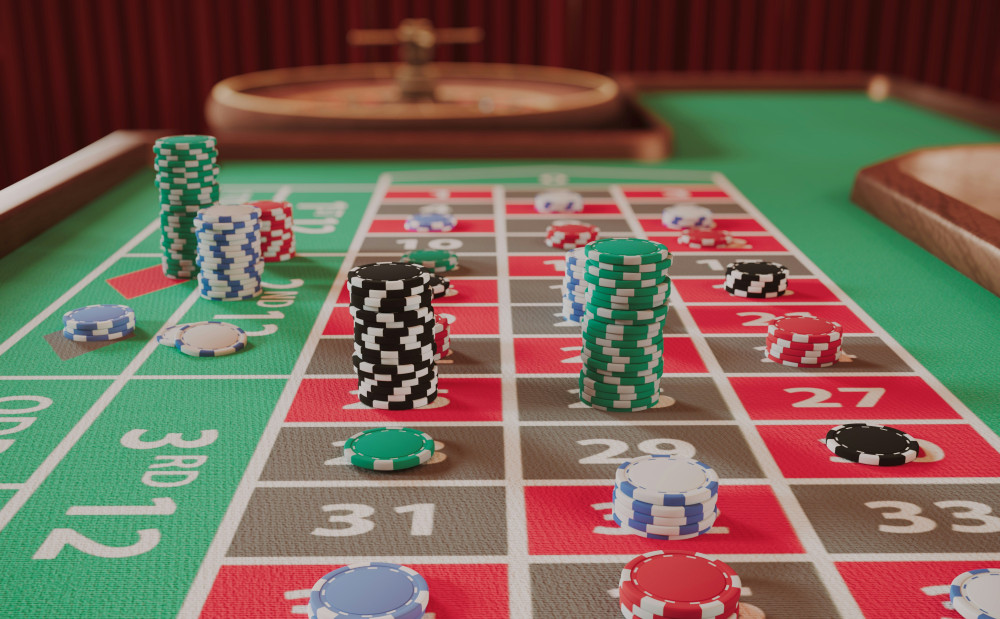
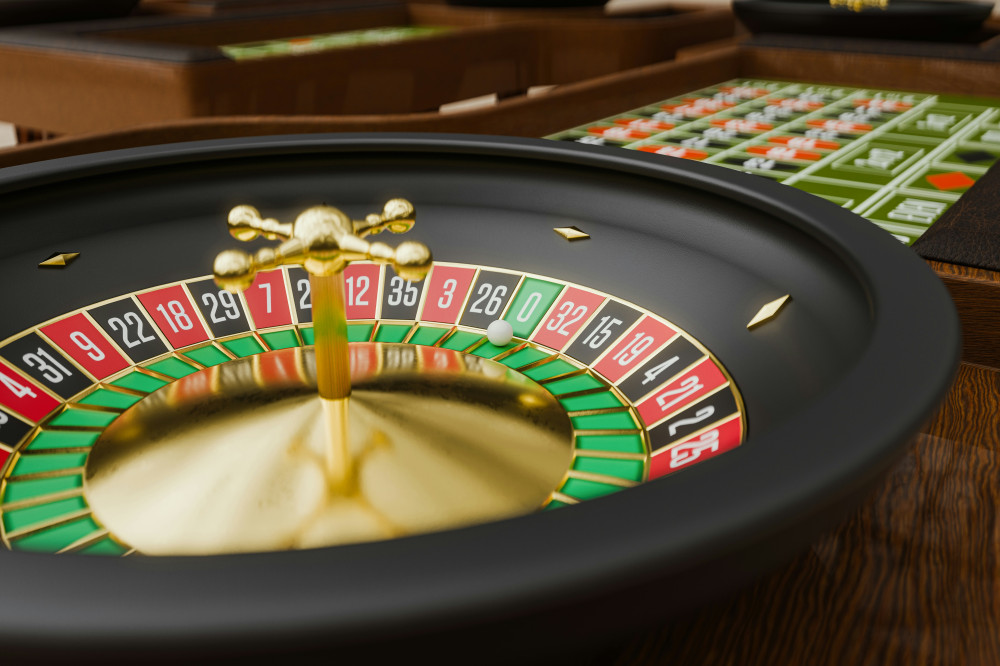
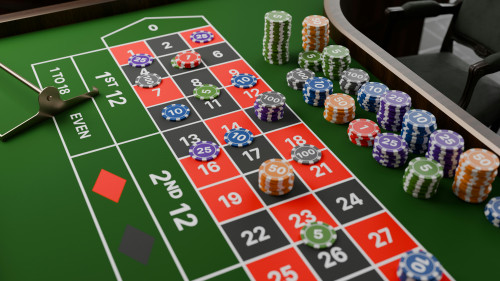
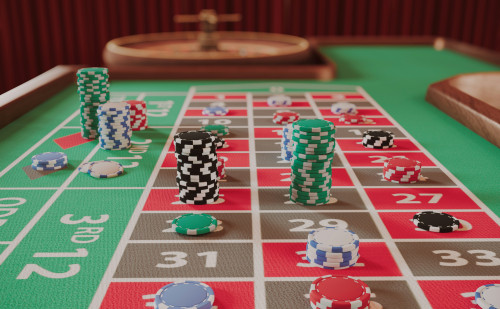
High-definition 3D graphics, smooth animations, and dynamic camera angles make players feel as though they’re sitting right at the table, watching the ball bounce from pocket to pocket. Some versions embrace a sleek, futuristic aesthetic with neon lights and digital effects, while others recreate the refined luxury of a high-end casino.
These visual choices aren’t just decoration—they define the game’s identity. Whether the goal is to evoke calm sophistication or fast-paced excitement, the design sets the emotional tone for the entire experience.
Læs også:

The Role of Pace in Building Tension
The rhythm of a roulette game has a powerful impact on how players perceive excitement. Traditional versions move at a deliberate, ceremonial pace, while modern variants often experiment with speed to evoke different moods.
- Fast-paced games like “Speed Roulette” deliver results in rapid succession, appealing to players who crave constant action and quick outcomes.
- Slower, cinematic versions emphasize atmosphere and visual detail, giving players time to savor the experience.
Developers carefully fine-tune timing—from how quickly the ball is released to how long the camera lingers on the winning number. These subtle adjustments shape the emotional arc of each round, building anticipation and release in just the right measure.
Sound and Atmosphere: The Invisible Layer
While visuals capture attention, sound creates emotion. Background music, dealer voices, and sound effects are all chosen to reinforce the game’s mood.
Some roulette variants feature soft jazz and ambient casino sounds that evoke exclusivity and calm. Others use energetic electronic beats and crisp effects to heighten intensity. Even the click of the ball landing in a pocket is engineered to feel authentic. Together, these auditory details make digital roulette feel alive and tangible.
Live Dealers and Real-Time Interaction
One of the most significant innovations in modern roulette is the introduction of live dealers. Through high-quality streaming, players can join real tables hosted by professional dealers in real time.
This hybrid of live action and digital interface adds a social dimension—players can chat with the dealer and others, creating a sense of community that mirrors a physical casino. Developers enhance these sessions with on-screen overlays showing statistics, results, and bonus features, blending real-world play with digital interactivity.
Themed Variants and Creative Freedom
Developers are increasingly experimenting with themes that go beyond the traditional casino setting. There are roulette games inspired by game shows, fantasy worlds, and futuristic environments.
Visuals, colors, and soundscapes are used to tell a story around the game—perhaps a space-themed wheel glowing with neon light, or a golden art deco lounge that exudes luxury. This creative freedom allows roulette to become not just one game, but a collection of unique experiences tailored to different player preferences.
Technology Behind the Experience
Behind the visuals and sound lies sophisticated technology. Modern roulette variants rely on fast servers, precise streaming, and algorithms that ensure fairness and seamless gameplay.
Emerging technologies like augmented reality (AR) and virtual reality (VR) are pushing boundaries even further, allowing players to “stand” at the table and interact with their surroundings in immersive new ways. For developers, the goal isn’t just to replicate the physical casino—it’s to expand it, offering experiences that can only exist in the digital realm.
More Than a Game of Chance
Roulette will always be a game of luck, but in its modern form, it’s also a crafted experience. Graphics, pace, and atmosphere have become as essential as the spin of the wheel itself.
Developers today aren’t just building games—they’re designing moods, rhythms, and worlds for players to explore. That’s what sets digital roulette apart from its classic counterpart: it’s not only about winning, but about feeling the thrill of the experience itself.
Læs også: