Chance or Probability? Understand the Difference and Play with Knowledge

Chance or Probability? Understand the Difference and Play with Knowledge
When we play—whether it’s cards, roulette, or online slots—we often talk about luck. But behind luck lies a more precise concept: probability. Understanding the difference between chance and probability won’t guarantee a win, but it can give you a more realistic and informed approach to gaming. Here’s how you can use knowledge of probability to play smarter—and enjoy the game even more.
What Is Chance?
Chance is about the unpredictable. When you roll a die, you can’t know which number will come up—each roll is independent of the last. That unpredictability is what makes games exciting: we never know what’s coming next.
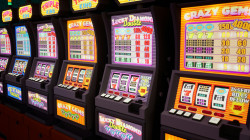
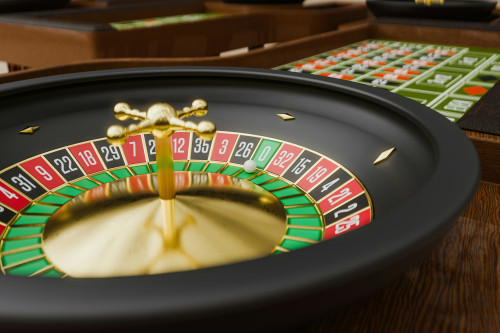
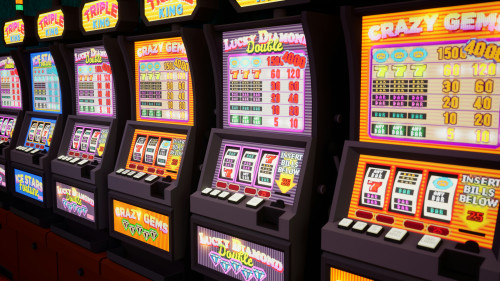
In many games, chance is built into the experience. In roulette, the ball’s path determines the outcome; in card games, the deck is shuffled; and in slot machines, results are generated by a Random Number Generator (RNG)—a computer algorithm that ensures every spin is completely random.
Chance means there’s no pattern you can exploit. Each game starts fresh, and previous results don’t influence future ones.
What Is Probability?
Probability is about how likely something is to happen. It’s usually expressed as a number between 0 and 1—or as a percentage. For example, the probability of rolling a six on a standard die is 1 out of 6, or about 16.7%.
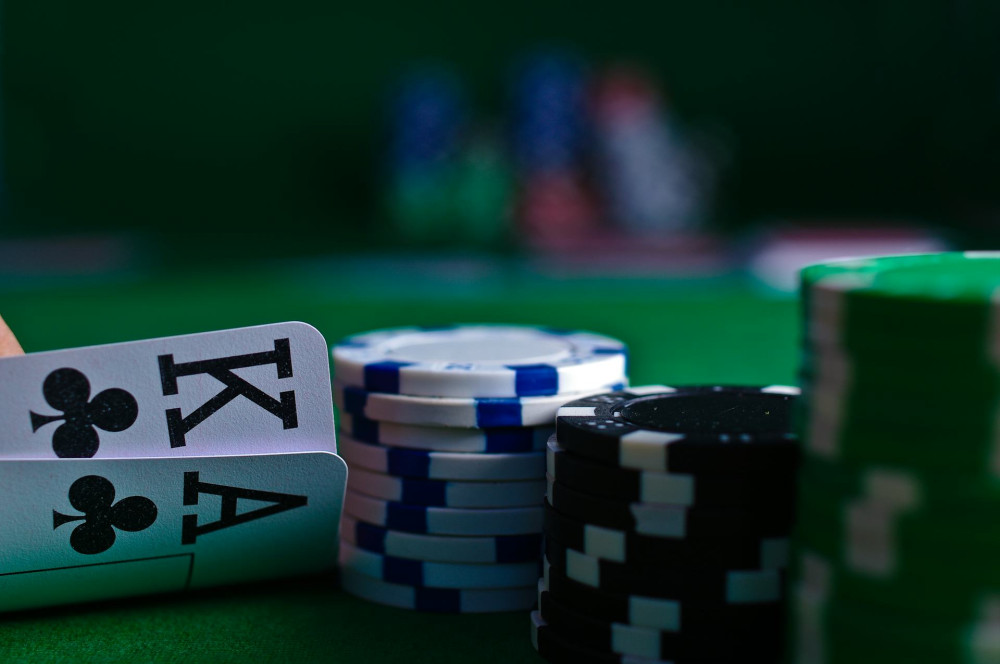
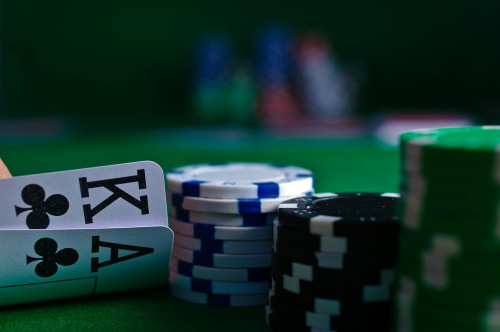
In gaming, probability helps calculate how often certain outcomes occur. In blackjack, you can estimate the chance of drawing a specific card; in roulette, you can see the probability that the ball lands on red.
Knowing the probability doesn’t let you predict the next result—but it helps you understand why some games offer frequent small wins while others rarely pay out big.
Why the Difference Matters
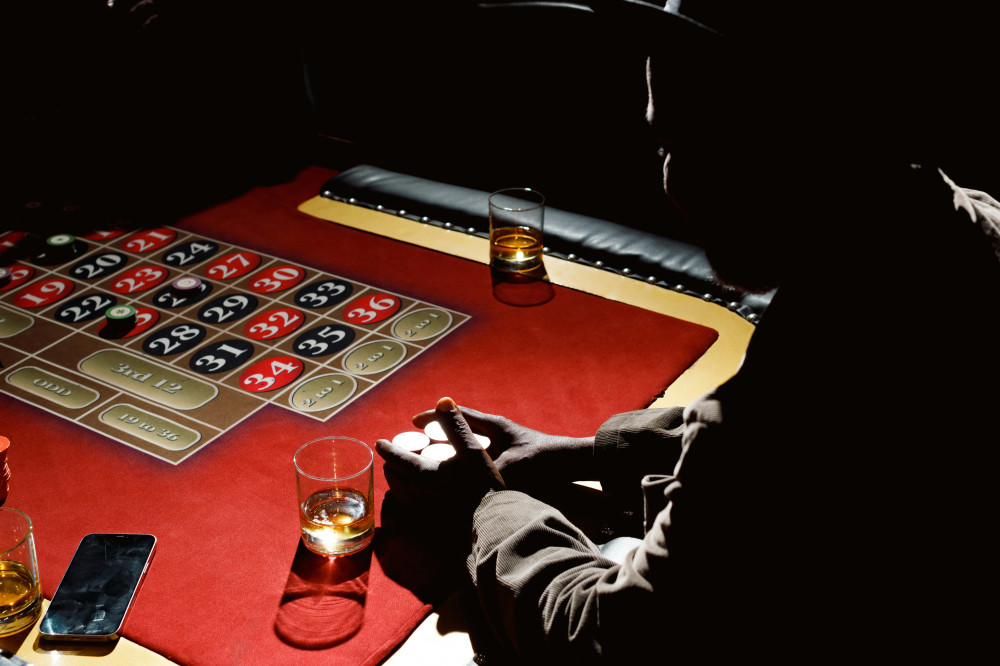
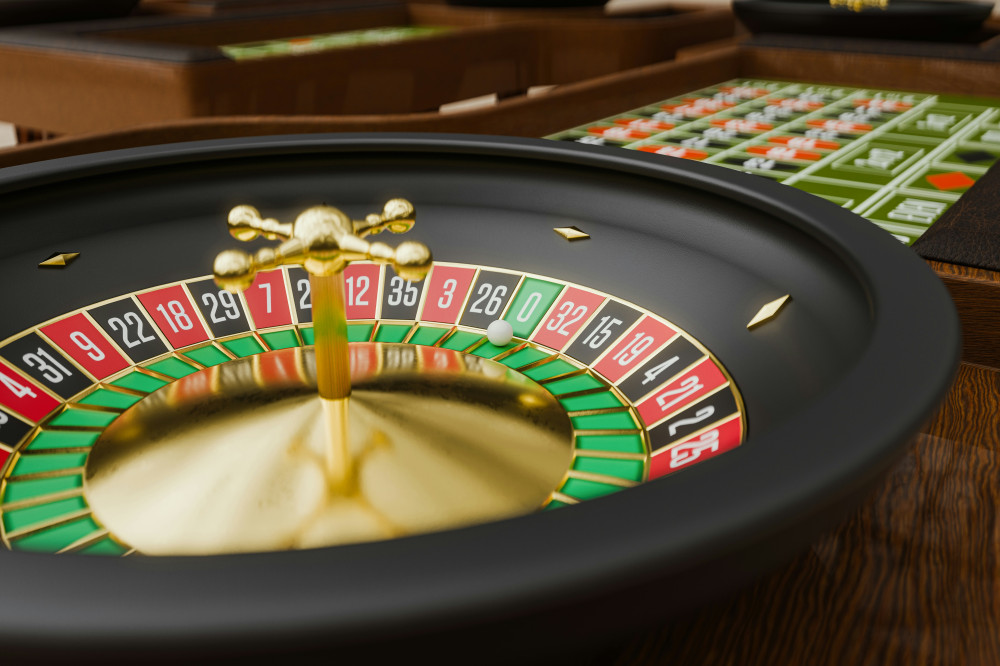
Many players confuse chance with patterns. This is known as the gambler’s fallacy—the belief that if something has happened many times in a row, the opposite is “due.” For example: “Roulette has landed on black five times in a row, so red must be next.” But that’s not how chance works. Each spin is independent, and the probability of red is the same as before.
By understanding the difference between chance and probability, you avoid falling into that trap. You learn to see the game for what it is: an entertaining mix of luck and math—not a path to guaranteed winnings.
Play with Knowledge, Not Illusion
When you play, you can use probability as a tool to choose games that fit your style. Some games have low risk and frequent small payouts, while others have high risk and rare but large jackpots. This is often called volatility.
- Low volatility: Many small wins—like certain slot machines or card games.
- High volatility: Fewer but larger wins—like jackpot slots or lotteries.
By understanding the probabilities behind a game, you can choose what best matches your patience and budget. It’s not about beating the system—it’s about playing consciously.
Læs også:
When Knowledge Makes the Game Better
Understanding probability can actually make gaming more enjoyable. You know what to expect, and you’re less likely to be disappointed by outcomes that are, in fact, completely normal. It gives you a sense of control and helps keep gaming where it belongs: as entertainment.
So next time you play, remember: chance creates the excitement, but probability explains the outcome. And when you know the difference, you’re not just playing with luck—you’re playing with knowledge.
Læs også: