From Mechanical to Electronic: The Technological Evolution of the Roulette Wheel


From Mechanical to Electronic: The Technological Evolution of the Roulette Wheel
Roulette has long been one of the most recognizable symbols of casino gaming — a blend of elegance, suspense, and pure chance. Yet behind the spinning wheel lies a fascinating story of technological progress. From handcrafted wooden wheels in 18th-century France to today’s digital and automated systems, the roulette wheel has evolved alongside advances in engineering and computing. This article explores how technology has shaped the game — and what innovations may lie ahead.
The First Mechanical Marvels
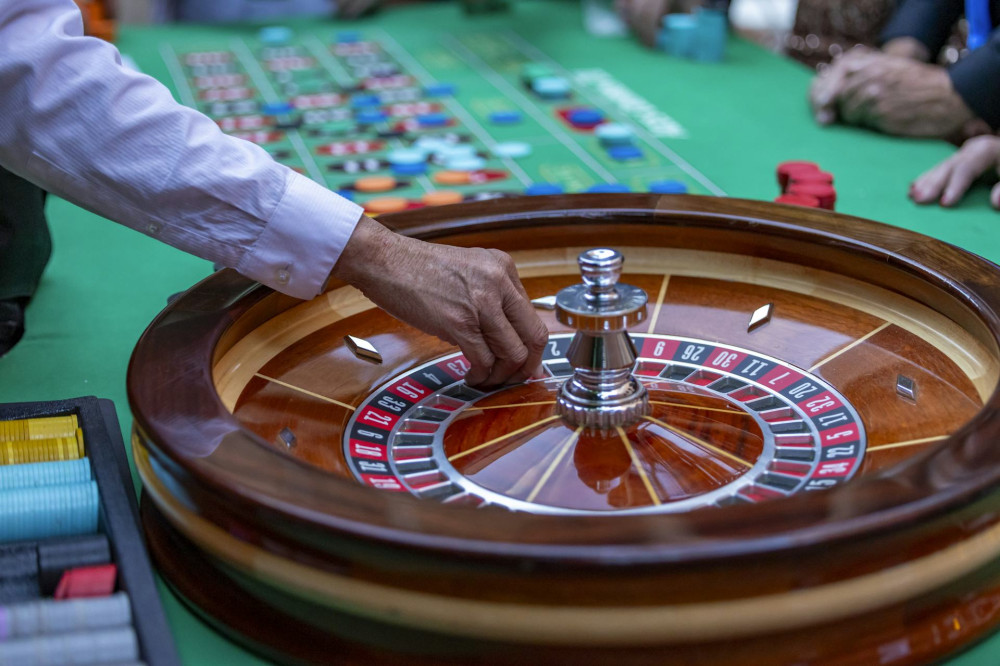
Roulette’s origins trace back to 18th-century France, where it emerged as a fusion of various gambling games and early experiments in physics. The first roulette wheels were entirely mechanical, spun by hand by a croupier. Crafted from wood and metal, these early wheels relied heavily on the precision of the artisan’s workmanship.
Small imperfections were common, and some players learned to exploit them. These “biased wheels” could favor certain numbers, giving observant gamblers an edge. By the 19th century, casinos began investing in more balanced and precisely engineered wheels to ensure fairness — a move that helped establish roulette’s reputation as a game of chance rather than skill.
Læs også:



Industrial Precision and the Rise of Modern Roulette
The Industrial Revolution brought new levels of precision manufacturing. French innovators such as the Blanc brothers refined the design of the roulette wheel, introducing improved materials and more accurate bearings. These advances made the game more consistent and trustworthy.
It was also during this period that the distinction between European and American roulette emerged. European wheels featured a single zero, while American versions added a double zero — a small change that significantly increased the house edge. This difference remains one of the defining features of roulette on either side of the Atlantic.
Electronic Sensors and Automation
By the mid-20th century, technology began to transform casino equipment. Electronic sensors were introduced to detect the ball’s position and record outcomes automatically. This allowed casinos to display results on digital screens and track game statistics, improving both transparency and security.
In the 1980s and 1990s, automated roulette tables became increasingly popular. These systems combined mechanical precision with electronic control, allowing the wheel to spin and the ball to launch without a human dealer. For casinos, automation meant greater efficiency and the ability to offer continuous play — a feature that later proved essential for online gaming.
The Digital Revolution and Online Roulette
The rise of the internet in the 1990s marked a new era for roulette. Software developers created digital versions of the game powered by Random Number Generators (RNGs), ensuring that every spin was completely random even without a physical wheel. Players could now enjoy roulette from their computers, and later from smartphones, with the same thrill of anticipation.
The next major leap came with live dealer roulette, where real croupiers spin physical wheels in studios while players place bets remotely. High-definition video streaming and interactive interfaces brought the authentic casino experience into living rooms across the United States and beyond.
The Future: Artificial Intelligence and Virtual Reality
Today, the frontier of roulette technology lies in virtual reality (VR) and augmented reality (AR). Imagine putting on a VR headset and stepping into a lifelike casino environment, where you can walk around the table, chat with other players, and watch the wheel spin before your eyes. These immersive experiences are already being tested by major gaming companies.
At the same time, artificial intelligence (AI) is being used to monitor gameplay, detect irregular betting patterns, and prevent cheating. For casinos, AI enhances security and compliance; for players, it ensures a fairer and more transparent experience.
From Craftsmanship to High Tech — The Spirit Remains the Same
Despite centuries of innovation, the essence of roulette remains unchanged: the excitement of watching the ball dance around the wheel, waiting to see where it lands. From handcrafted wooden mechanisms to digital simulations, technology has transformed the form but not the feeling.
Roulette stands as a testament to how tradition and innovation can coexist — a game born in the salons of 18th-century Europe that continues to captivate players in the digital age.
Læs også: