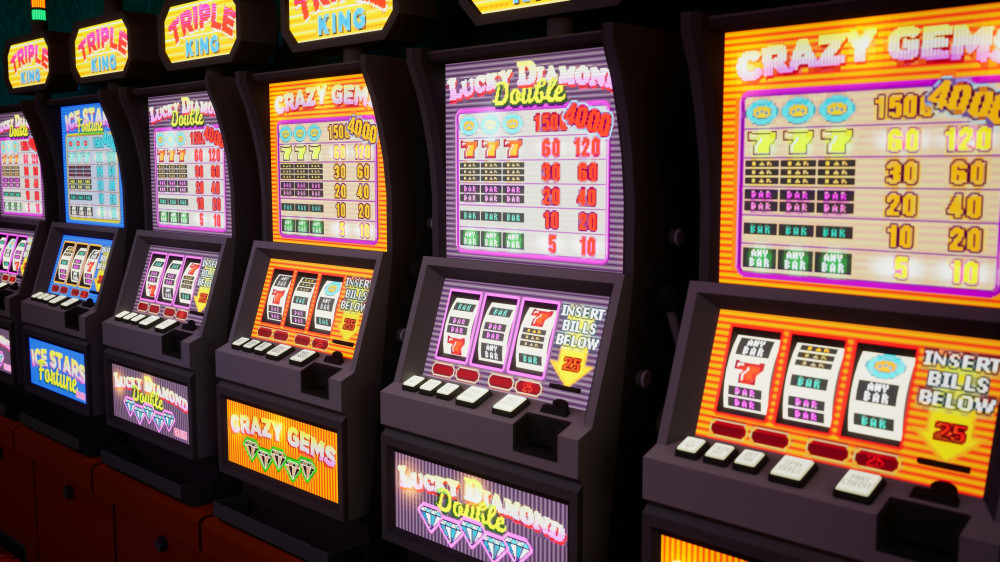
When Dreams Drive the Game: How Winning Expectations Shape Your Gambling Habits

When Dreams Drive the Game: How Winning Expectations Shape Your Gambling Habits
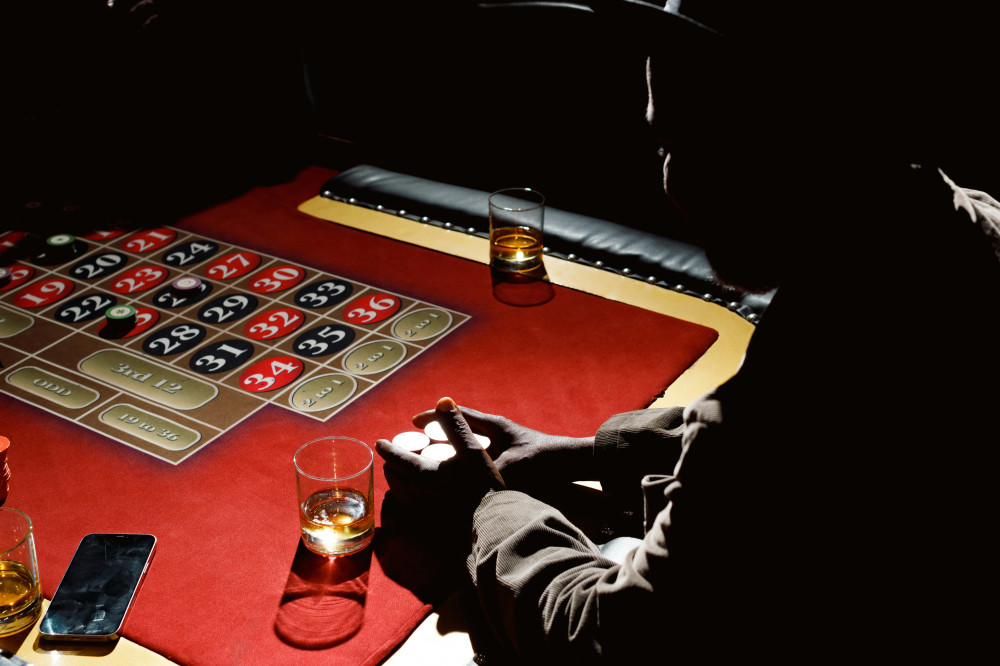
Why do we keep playing, even when we know the odds are stacked against us? The answer often lies in the dream—the hope that this time will be different. Our expectations of winning play a powerful role in shaping how we gamble. They influence how much we bet, how often we play, and how we feel while doing it.
When Hope Becomes the Engine
For many Americans, gambling isn’t just about money—it’s about excitement, anticipation, and the fantasy of a life-changing win. The mental journey begins the moment you buy a Powerball ticket or tap “spin” on a slot machine app. In that instant, your brain’s reward system lights up—not because you’ve won, but because you might.
Research shows that the expectation of a win can trigger nearly the same emotional response as an actual win. That means the dream itself can keep us engaged, even when the results don’t go our way.
The Psychology Behind the Spin
When we gamble, we often overestimate our chances of success. Psychologists call this the “optimism bias”—the tendency to believe that good things are more likely to happen to us than to others. In gambling, it sounds like: “I haven’t won in a while, so I’m due.” But in reality, each spin, card draw, or roll of the dice is completely independent of the last.
Another powerful force is the “near-miss effect.” When you come close to winning—say, two matching symbols on a slot machine with the third just one space away—your brain registers it as a partial success. It feels like progress, even though your odds haven’t improved. That sensation can motivate you to keep playing, convinced that a win is just around the corner.
The Design of the Game and the Illusion of Control
Modern gambling—whether in Las Vegas casinos or on mobile apps—is engineered to keep players engaged. Bright colors, celebratory sounds, and small intermittent rewards create a steady stream of stimulation that keeps the brain hooked. Many games also give players the illusion of control: choosing numbers, pressing buttons, or following “systems” that seem to influence the outcome. This sense of agency can strengthen the belief that skill or strategy can overcome chance, even when the results are purely random.
Læs også:
When Expectations Take Over
For most people, gambling is a form of entertainment—a night out, a bit of fun, a harmless thrill. But for some, the expectation of winning can grow into something more consuming. When the dream of a big win becomes a necessity rather than a pleasure, it can lead to financial stress, anxiety, and strained relationships.
A key step toward balance is recognizing how your own expectations shape your behavior. Ask yourself: Am I playing for fun, or because I believe the next game will change everything? Understanding that difference can help you maintain a healthy relationship with gambling.
Keeping the Dream in Perspective
Responsible gambling isn’t about giving up the dream—it’s about keeping it in perspective. Here are a few ways to stay balanced:
- Set a budget—and stick to it, win or lose.
- See gambling as entertainment, not as a way to make money.
- Take breaks, especially if you notice the game taking up more of your time or thoughts.
- Talk about it—sharing your experiences with friends or family can help you stay grounded.
When you understand how your expectations influence your play, it becomes easier to enjoy the game without letting it control you. The dream can still be part of the experience—just not the one driving every move.
Læs også: