Chance and Probability in the Lottery – Two Sides of the Same Coin

Chance and Probability in the Lottery – Two Sides of the Same Coin
When we buy a lottery ticket, we’re really buying a dream — the dream of waking up tomorrow with a life that’s completely changed. But behind that dream lies a fascinating relationship between chance and probability — two ideas that are often confused, yet describe different sides of the same coin. To understand why the odds of winning are so small, and why we keep playing anyway, we need to look closer at how chance and probability work together.
What Does Chance Really Mean?
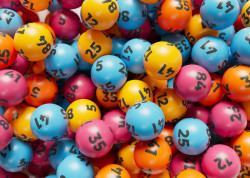
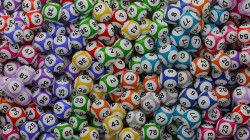
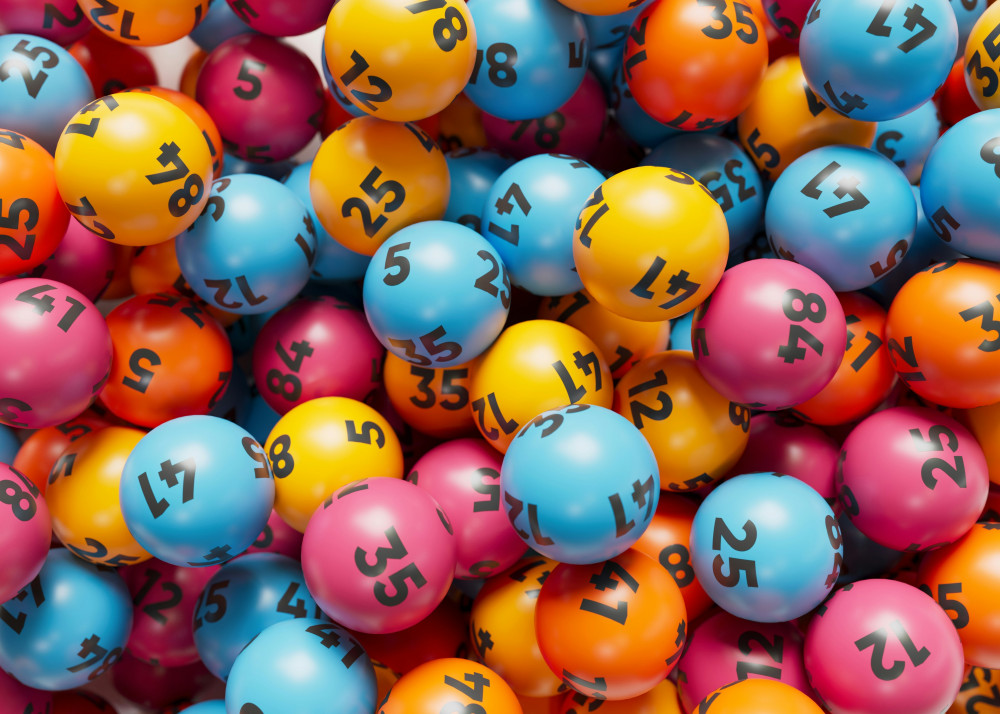
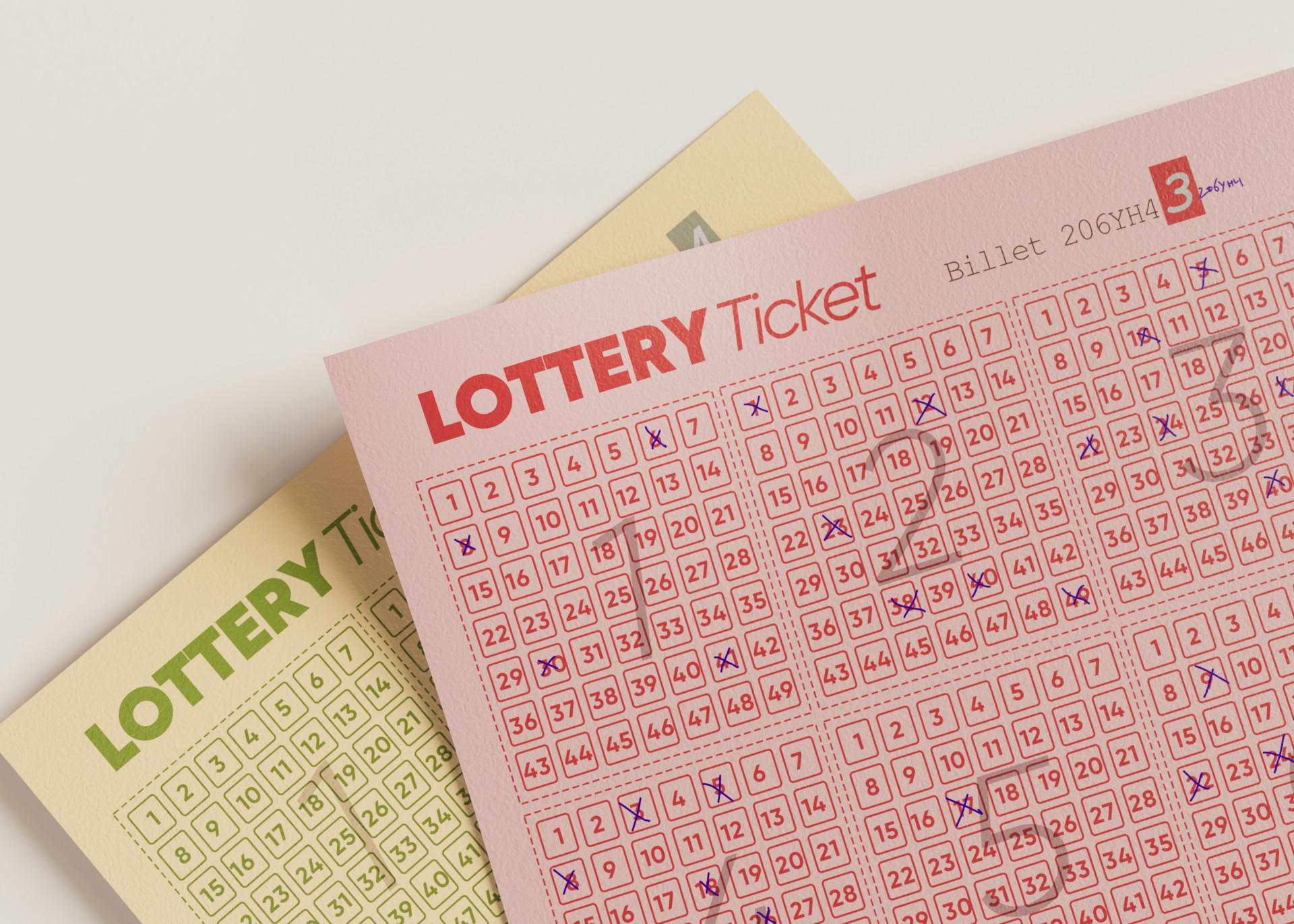
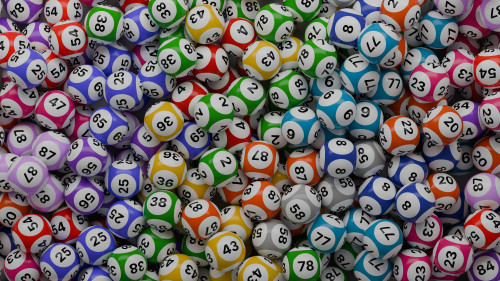
Chance is about unpredictability — the things we can’t control. When the numbered balls tumble inside the lottery machine, no one can predict which ones will be drawn. Each ball has exactly the same opportunity to be selected, and the outcome depends on tiny, uncontrollable variations in motion, air flow, and speed.
That unpredictability is what makes the lottery exciting. We know the result can’t be influenced, yet we still hope that chance will favor us. It’s human nature — and part of the psychology that keeps the game alive.
Probability: When Chance Gets a Number
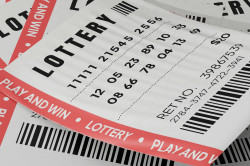
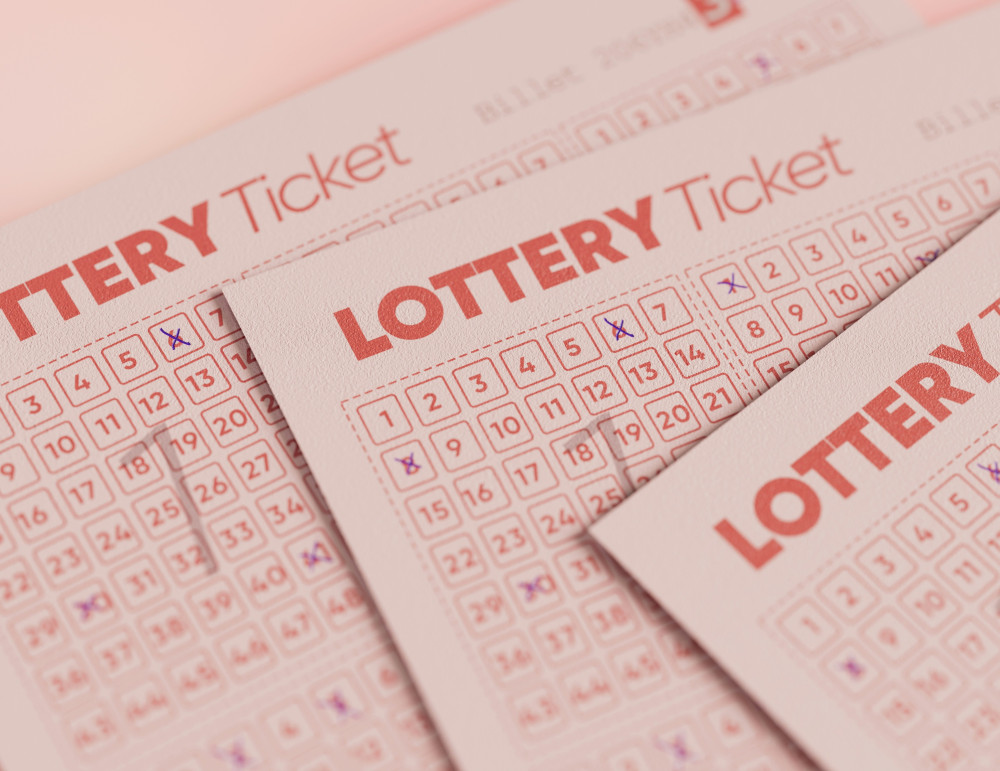
Probability is the mathematical way of describing chance. It tells us how likely a particular outcome is. In a typical U.S. lottery like Powerball, where players choose five numbers from 69 and one Powerball from 26, the odds of hitting the jackpot are about one in 292 million. That means you’re far more likely to be struck by lightning than to win the grand prize.
Still, probability is what makes the game fair. Every player has exactly the same chance — whether they pick birthdays, random numbers, or let the computer choose for them. The math doesn’t play favorites.
Why Do We Play When the Odds Are So Small?
From a rational point of view, spending money on something with such tiny odds of success doesn’t make much sense. Yet millions of Americans buy lottery tickets every week. The reason lies in how our minds work.
Humans are not purely logical beings. We’re driven by emotion, hope, and imagination. We tend to overestimate small probabilities, especially when the potential reward is huge. A jackpot worth hundreds of millions of dollars makes us think, “Someone has to win — why not me?” That thought taps into our optimism and our desire for possibility, even when the math says otherwise.
Myths and Misconceptions
Many players try to find patterns in the numbers — avoiding “popular” choices, or believing that a number that hasn’t been drawn in a while is “due.” But in a truly random system, past results have no influence on future outcomes. Each drawing is independent of the last.
There are no “hot” or “cold” numbers — only our human tendency to look for meaning where none exists. Our brains are wired to find patterns, even in randomness, because it gives us a sense of control in an uncontrollable world.
When Chance Becomes Entertainment
Lotteries aren’t just about money; they’re about hope and excitement. For a few dollars, we buy a moment of anticipation — the thrill of imagining what we’d do if we won. For many, that feeling alone is worth the price of the ticket.
But for some, the game can become more than entertainment. That’s why it’s important to remember that the lottery should be fun, not a financial strategy. Understanding the difference between chance and probability helps keep that perspective in check.
Læs også:
Two Sides of the Same Coin
Chance and probability are deeply connected. One describes the unpredictable, the other measures it. Together, they form the foundation of everything from lotteries to weather forecasts to scientific research. When we understand how they interact, we see that the lottery isn’t about beating the odds — it’s about recognizing that some things in life are simply random. And sometimes, that randomness is what makes life — and the dream of winning — so intriguing.
Læs også: