The Casino’s Rhythm: How Pace Shapes the Experience of Time and Excitement

The Casino’s Rhythm: How Pace Shapes the Experience of Time and Excitement
When you step into a casino—whether on the Las Vegas Strip or on your phone—the atmosphere feels carefully orchestrated. The music, the flashing lights, the hum of slot machines, and even the absence of clocks all work together to shape how we experience time and excitement. The casino’s rhythm isn’t just about entertainment; it’s a psychological design that influences how long we play and how deeply we engage.
Time Disappears in the Flow of Play
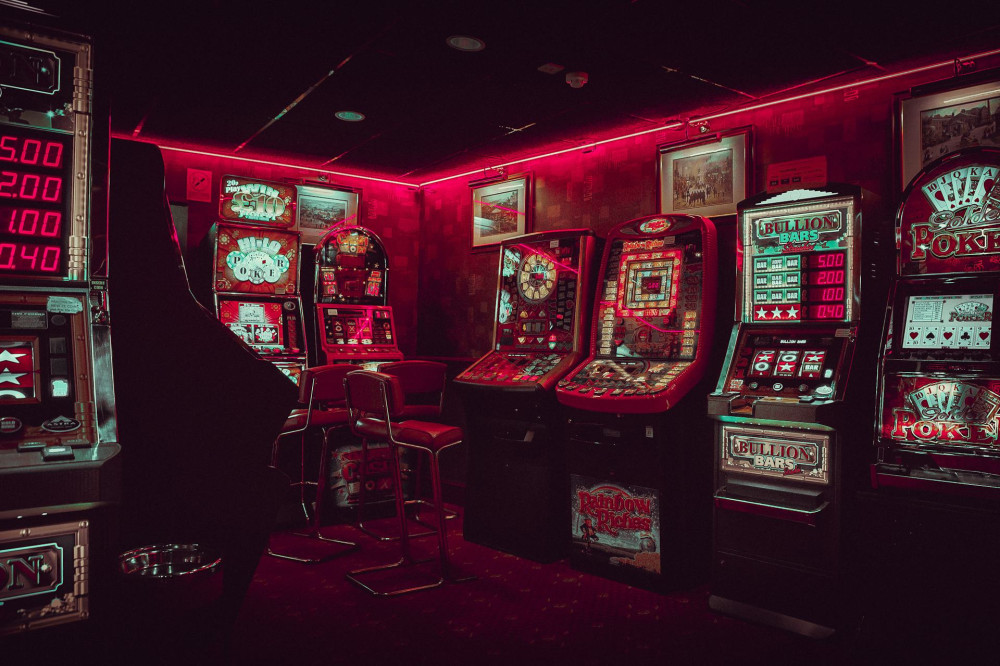
One of the most striking features of a casino is how time seems to vanish. There are rarely windows or clocks, and the lighting remains constant, creating a sense of endless evening. In online casinos, the same effect is achieved through design and pacing: quick rounds, smooth animations, and continuous rewards.
When the game flows without interruption, the brain loses track of time. Psychologists call this state flow—a mental zone where you’re so absorbed in an activity that everything else fades away. For the casino, this means players stay engaged longer. For the player, it means the excitement feels continuous and immersive.
Music and Sound as Tempo Setters
The soundtrack of a casino is no accident. Upbeat rhythms and bright tones can raise heart rates and create a sense of energy and anticipation. Slower music, on the other hand, can encourage players to linger at the tables. Studies have shown that the tempo of background music directly affects how quickly people play—and how much they wager.
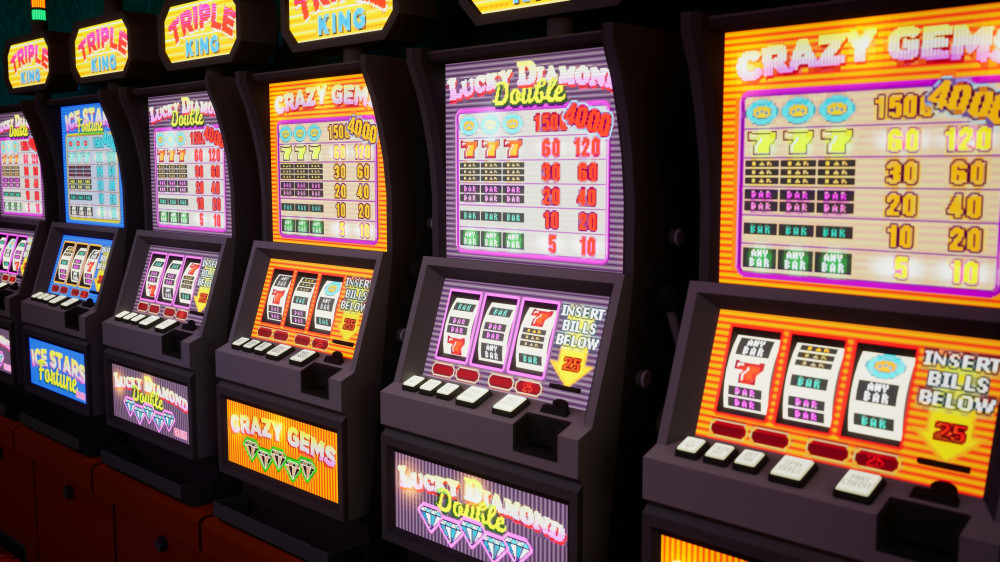
Online casinos use the same principle. Every win, no matter how small, is accompanied by a celebratory sound or flashing animation. These cues trigger a brief dopamine response in the brain—the same chemical reaction associated with larger rewards. Over time, the rhythm of small wins and rapid rounds becomes part of the experience’s pulse.
Game Speed and the Illusion of Control
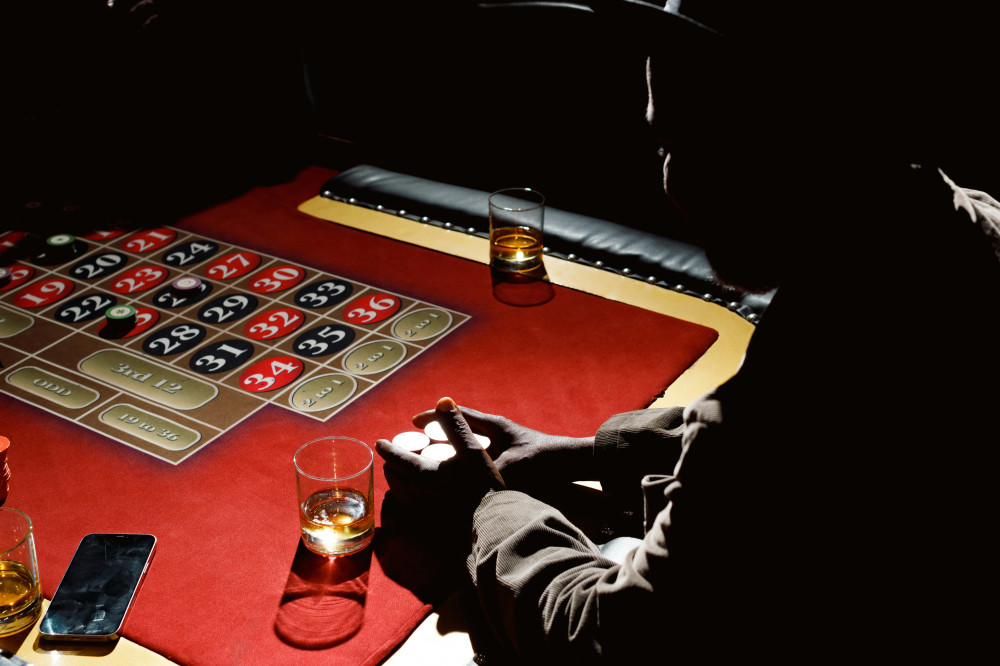
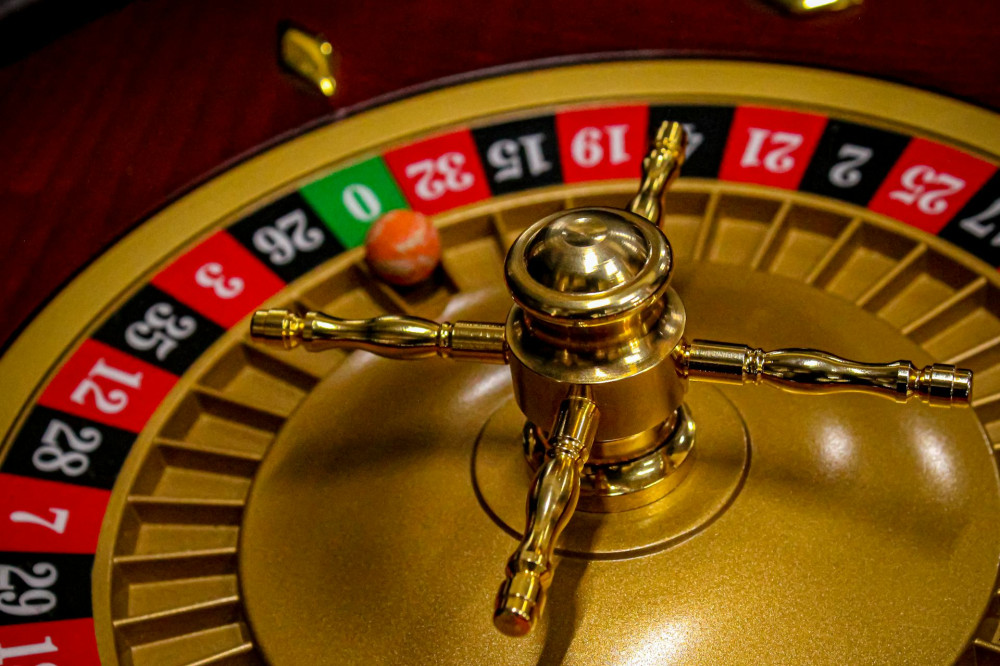
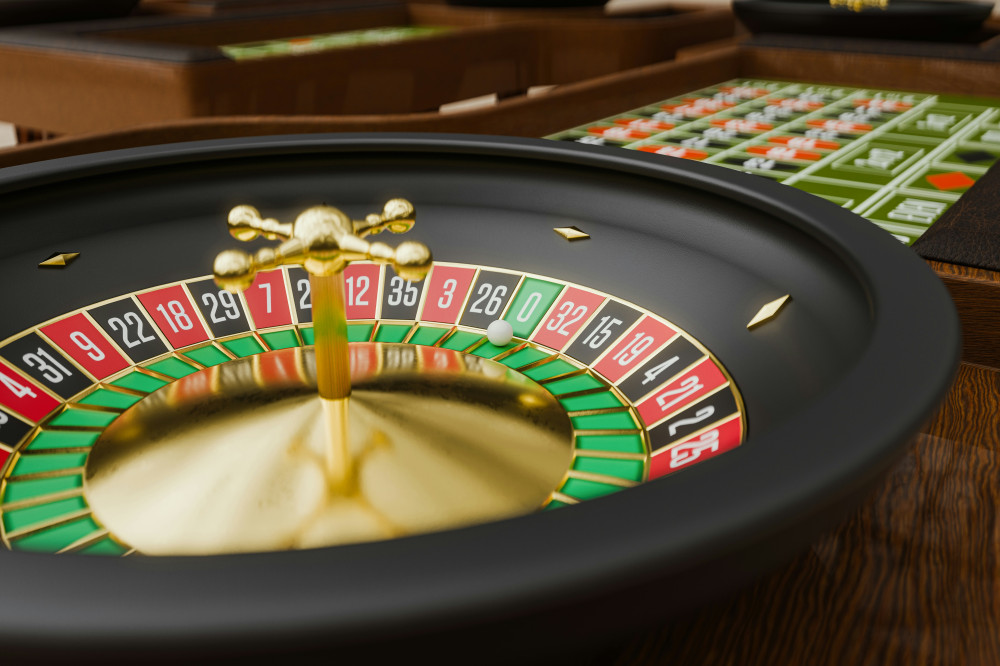
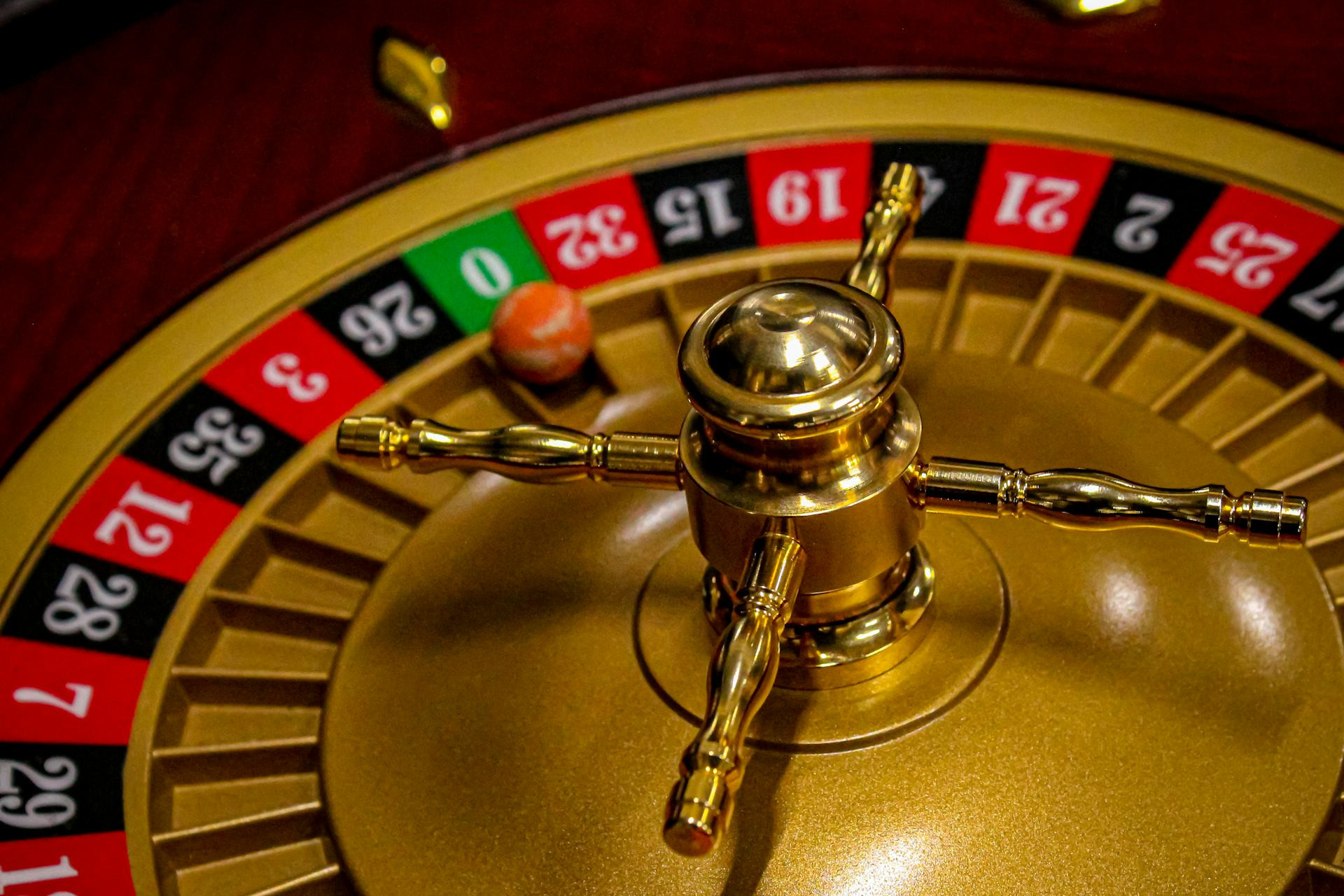
The pace of a game also shapes how we perceive control. Fast-paced games like slots or roulette deliver results in seconds, creating the illusion that quick decisions can influence outcomes—even though the results are random. The rapid tempo keeps adrenaline high and encourages repeated play.
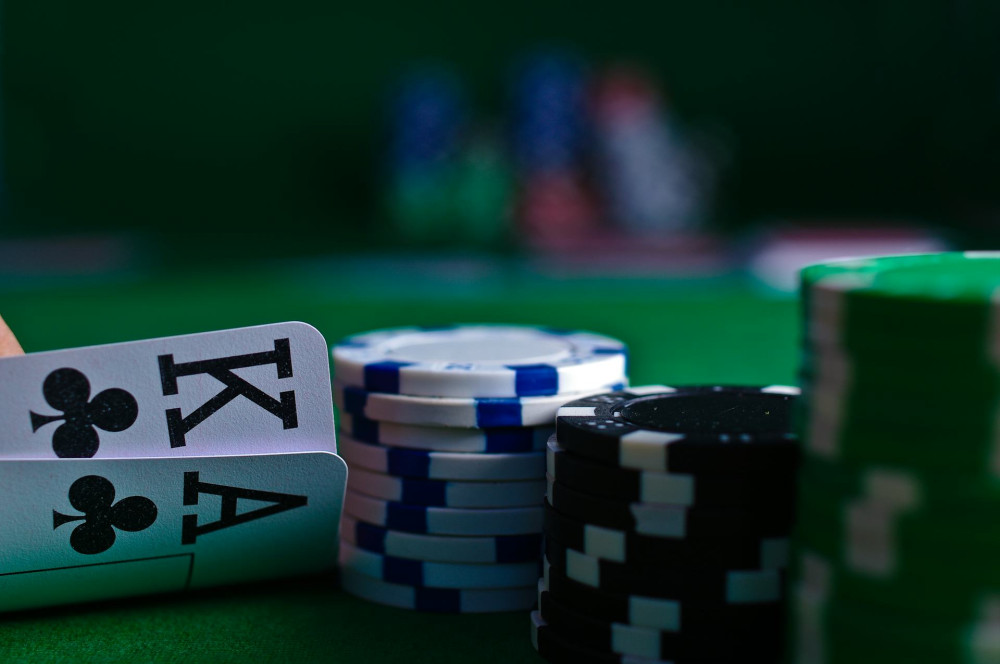
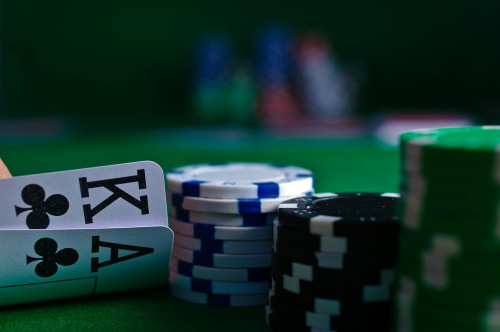
Slower games like poker or blackjack, by contrast, allow more time for reflection and strategy. The tension builds gradually, and the experience becomes more about social interaction and psychological play. Casinos adjust their rhythm to match their audience: some players crave the rush, while others seek the slow burn of tactical engagement.
Læs også:


The Digital Beat of Online Casinos
In the digital era, pace has become even more crucial. Online casinos compete for attention in a crowded market where players can switch platforms instantly. To keep engagement high, game rounds are short, rewards frequent, and interfaces designed for seamless motion.
Push notifications, bonus rounds, and “near-win” animations all help maintain the rhythm. It’s the online equivalent of the casino floor’s constant buzz—a steady stream of stimuli that makes it hard to step away. The tempo of digital play is faster, more personalized, and always just a tap away.
When the Rhythm Speeds Up Too Much
While pace is part of the thrill, it can also have a downside. The faster the game, the less time players have to think about their choices. This can lead to impulsive decisions and unexpected losses. That’s why many casinos and gaming platforms now include responsible gaming tools—features that allow players to set time limits, take breaks, or receive reminders about how long they’ve been playing.
Understanding the casino’s rhythm isn’t just about analyzing entertainment design; it’s about recognizing how tempo influences behavior. The same rhythm that fuels excitement can, if unchecked, blur the line between play and compulsion.
A Dance Between Excitement and Time
The casino’s rhythm is a dance between excitement and time. The quick pulse keeps us engaged, while the absence of time markers makes us forget how long we’ve been playing. It’s a delicate balance between entertainment and manipulation—a reminder that in the world of gaming, pace is never accidental.
Læs også: