Green Casinos: How Architecture and Design Promote Sustainability

Green Casinos: How Architecture and Design Promote Sustainability
Casinos have long been associated with bright lights, luxury, and excess—but in recent years, a new trend has emerged: sustainability. Across the United States, architects and designers are reimagining what a casino can be, blending entertainment with environmental responsibility. From energy-efficient systems to green roofs and locally sourced materials, these new projects prove that glamour and sustainability can coexist.
From Energy Hogs to Energy Innovators
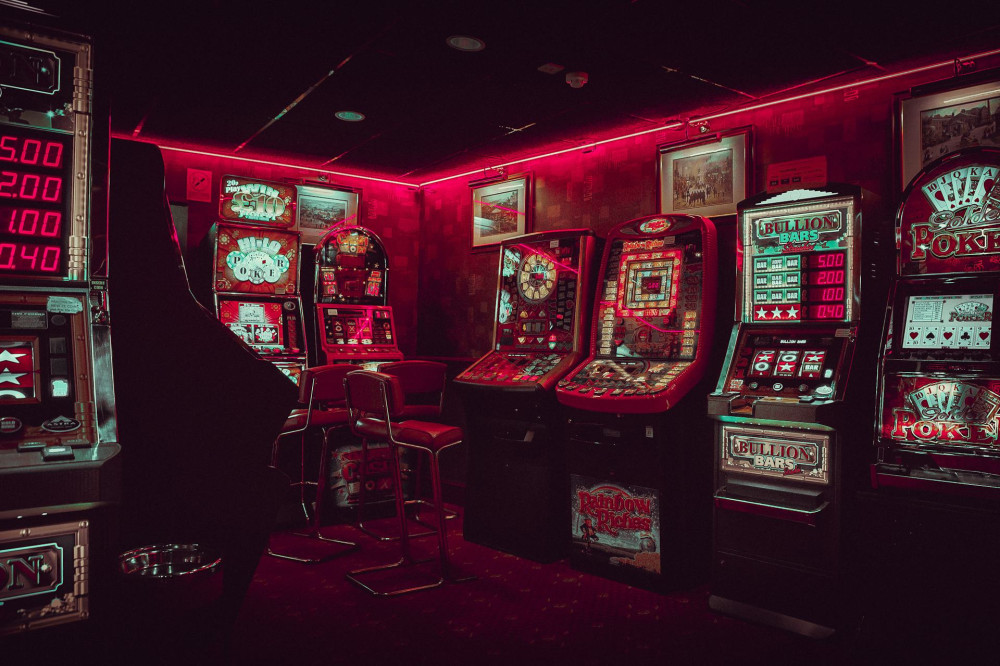
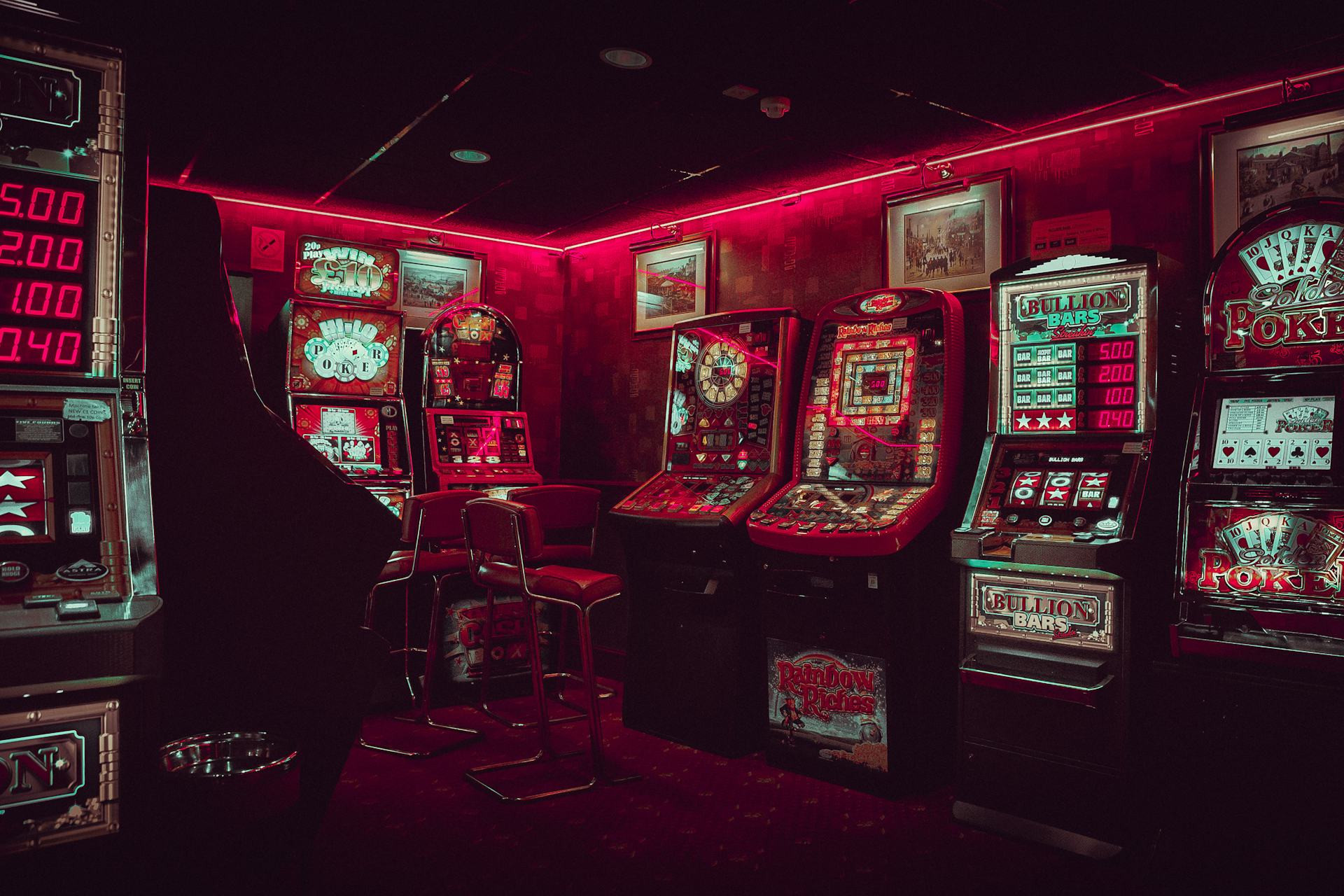
Traditionally, casinos have been among the most energy-intensive buildings in the hospitality industry. Massive gaming floors, 24-hour lighting, and constant air conditioning have made them notorious power consumers. But as environmental awareness grows, the industry is shifting toward greener operations.
Modern casino resorts are now being designed with energy efficiency at their core. LED lighting, smart ventilation systems, and solar panels are becoming standard features. Some properties even capture waste heat from slot machines and cooling systems to warm hotel rooms and pools—a solution that cuts both energy use and operating costs. In Las Vegas, for example, several major resorts have installed large-scale solar arrays that supply a significant portion of their electricity needs.
Sustainable Materials and Local Identity
Sustainability isn’t just about energy—it’s also about materials and construction methods. Architects are increasingly turning to local and recycled materials to reduce transportation emissions and carbon footprints. Reclaimed wood, natural stone, and recycled glass are being used to create interiors that are both elegant and environmentally conscious.
Many new casino projects are designed to blend into their surroundings rather than dominate them. Green roofs and vertical gardens improve insulation, reduce heat islands, and provide habitats for local wildlife. For guests, these features create a sense of connection to nature—even in the heart of a bustling entertainment complex.
Water, Waste, and Responsible Operations
In regions where water is scarce, such as the American Southwest, casinos are adopting advanced water management systems. Rainwater harvesting, greywater recycling, and efficient irrigation help reduce consumption. Some resorts reuse treated wastewater for landscaping and cleaning, ensuring that every drop counts.
Waste reduction is another key focus. Many casinos now separate recyclables, compost food waste, and partner with local organizations to repurpose materials. Restaurants within casino resorts are sourcing more ingredients from local farms and cutting down on single-use plastics. These small but meaningful steps add up to a significant environmental impact.
Læs også:



Design That Shapes Behavior
Sustainable design isn’t only about technology—it’s also about experience. Architects are using light, sound, and spatial design to create environments that feel natural and comfortable. Large windows bring in daylight and views, while natural materials promote a sense of calm and balance.
When guests see that a casino is built with environmental care, it can influence their own behavior. Many properties use digital displays and interactive exhibits to highlight their green features, turning sustainability into part of the entertainment experience rather than a hidden technical detail.
The Future of Casinos: Sustainability as the New Standard
The direction is clear: the casinos of the future will be green by default. New developments are being planned with certifications such as LEED and WELL, which set high standards for energy use, materials, and indoor air quality. At the same time, the rise of online gaming is reducing the need for large physical spaces, further lowering the industry’s environmental footprint.
Sustainability is no longer a marketing gimmick—it’s a necessity. Players, investors, and communities alike expect entertainment venues to operate responsibly. When architecture and design align with environmental values, the casino becomes more than a place to play—it becomes a symbol of how luxury and sustainability can thrive together.
Læs også: