House Edge Explained: How It Varies Across Different Game Versions

House Edge Explained: How It Varies Across Different Game Versions
When you play at a casino—whether online or in person—there’s one concept that every player should understand: the house edge. It’s the built-in statistical advantage that ensures the casino makes a profit over time, even though individual players can win big in the short term. But the house edge isn’t the same across all games, and even small differences can have a big impact on your odds. Here’s a breakdown of what the house edge means and how it varies between different versions of popular casino games.
What Does “House Edge” Mean?
The house edge is expressed as a percentage that represents how much the casino expects to keep from each wager over the long run. For example, if a game has a house edge of 2%, the casino will, on average, retain $2 for every $100 wagered—over thousands of plays.
It’s important to remember that the house edge doesn’t predict short-term results. You might win or lose in any given session, but over time, the math always favors the house.
Roulette: Small Differences, Big Impact
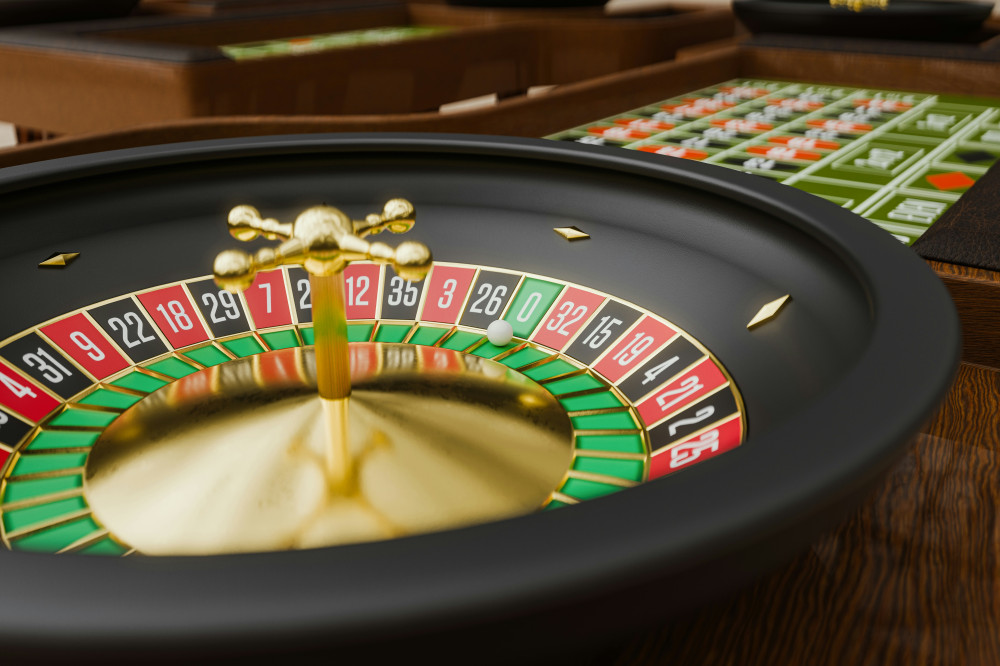
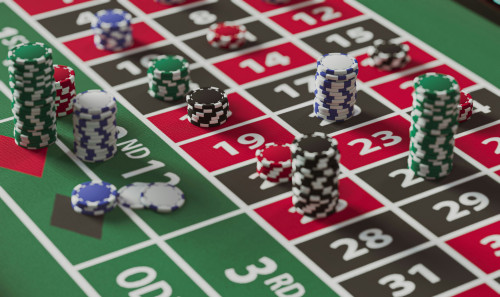
Roulette is a classic example of how the house edge can change depending on the version you play. In European roulette, the wheel has a single zero, giving the house an edge of about 2.7%. In American roulette, there’s both a single zero and a double zero, which increases the house edge to roughly 5.26%.
That extra green pocket might seem minor, but it nearly doubles the casino’s advantage. For that reason, experienced players often prefer European roulette whenever it’s available.
Læs også:



Blackjack: Strategy Makes a Difference
In blackjack, the house edge depends not only on the rules but also on how you play. Under standard rules—where the dealer stands on a “soft 17” and players can double down after splitting—the house edge can be as low as 0.5%, assuming you use optimal strategy.
However, small rule changes can shift the odds significantly. If the dealer hits on a soft 17, or if you’re not allowed to re-split aces, the house edge increases. This shows how understanding the rules and playing strategically can make a real difference in your results.
Slot Machines: Hidden Variations
Slot machines are among the most popular casino games in the U.S., but they also have some of the widest variations in house edge. Instead of “house edge,” slots are often described by their RTP (Return to Player), which is the percentage of total wagers that the machine pays back to players over time. An RTP of 96% corresponds to a 4% house edge.
Some slots have RTPs as high as 98%, while others drop to around 90%. That means two games that look nearly identical can have very different payout expectations. It’s always worth checking the RTP before you play—especially online, where this information is often available.
Craps and Baccarat: Low House Edge Options
In craps, the house edge varies depending on the type of bet you make. The basic “Pass Line” bet has a house edge of about 1.41%, while more exotic side bets can carry much higher edges. Sticking to the main bets is usually the smartest move.
In baccarat, the difference between bets is also clear. A wager on the “banker” hand carries a house edge of about 1.06%, while betting on the “player” hand is around 1.24%. The “tie” bet, however, jumps to over 14%. So even within the same game, your choice of bet can dramatically affect your odds.
Poker and Sports Betting: The House Takes a Cut
In games like poker and sports betting, the house edge works differently. You’re not playing directly against the casino but against other players or against odds set by the bookmaker. The casino makes money through a commission—in poker, it’s called the “rake,” and in sports betting, it’s built into the odds as a margin.
While the house edge here isn’t a fixed percentage like in roulette or blackjack, it still ensures that the operator profits over time, regardless of who wins.
How to Use This Knowledge
Understanding the house edge won’t guarantee a win, but it can help you make smarter choices. Choose games with a lower house edge, learn the rules thoroughly, and use strategy where possible. That way, you’ll get more entertainment for your money—and play more responsibly.
The house edge is an unavoidable part of casino gaming, but knowing how it works can turn you from a casual player into an informed one.
Læs også: