Game Theory and Fairness – Why Some Casino Games Feel Fairer Than Others


Game Theory and Fairness – Why Some Casino Games Feel Fairer Than Others
When you walk into a casino—whether on the Las Vegas Strip or on your phone—it’s rarely random which games you’re drawn to. Some games simply feel fairer than others, even though every one of them is designed to give the house an edge. But why does that feeling of fairness vary so much? The answer lies in a mix of game theory, probability, and psychology.
What Does “Fairness” Mean in Games?
In game theory, fairness doesn’t necessarily mean that everyone has an equal chance of winning. Instead, it’s about transparency—knowing the rules, understanding the odds, and trusting that outcomes are determined by chance rather than hidden manipulation.
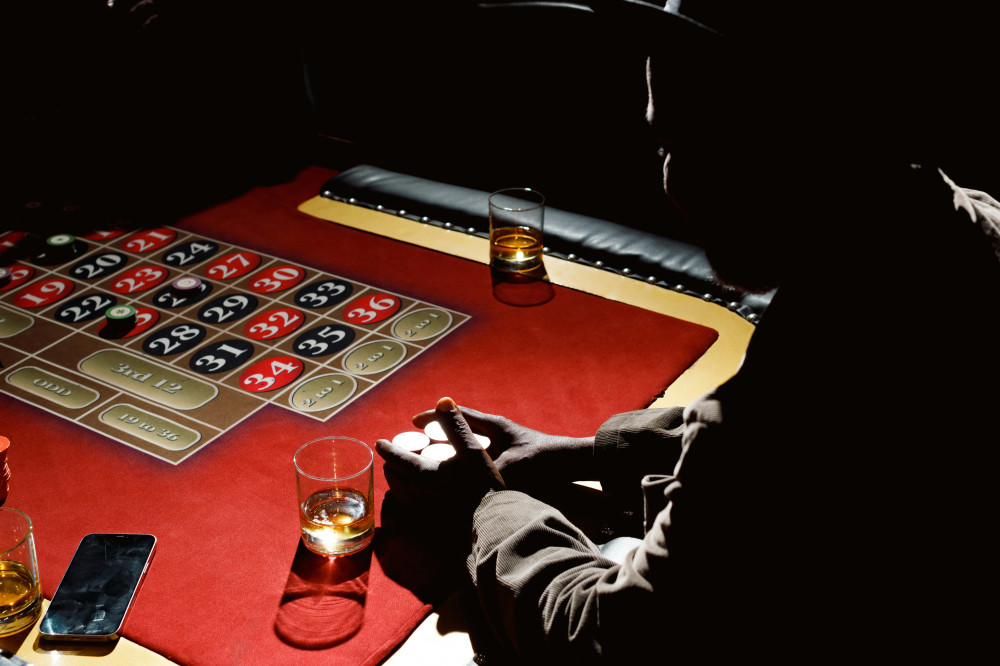
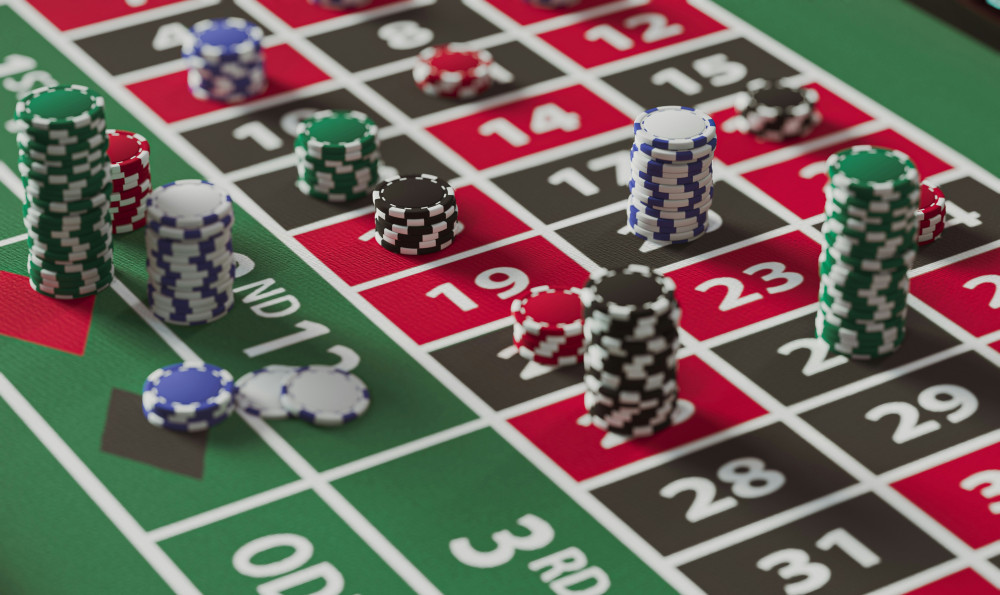
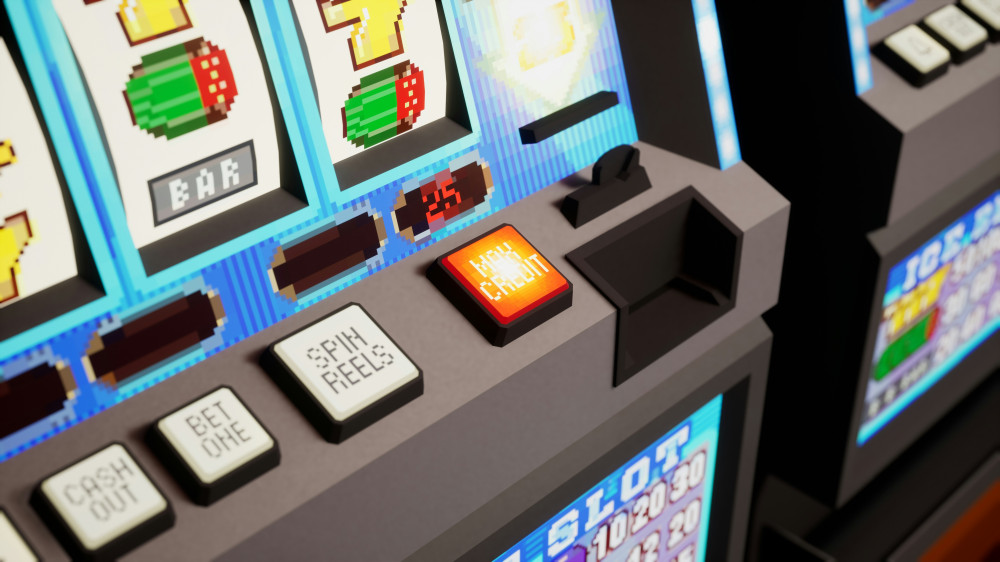
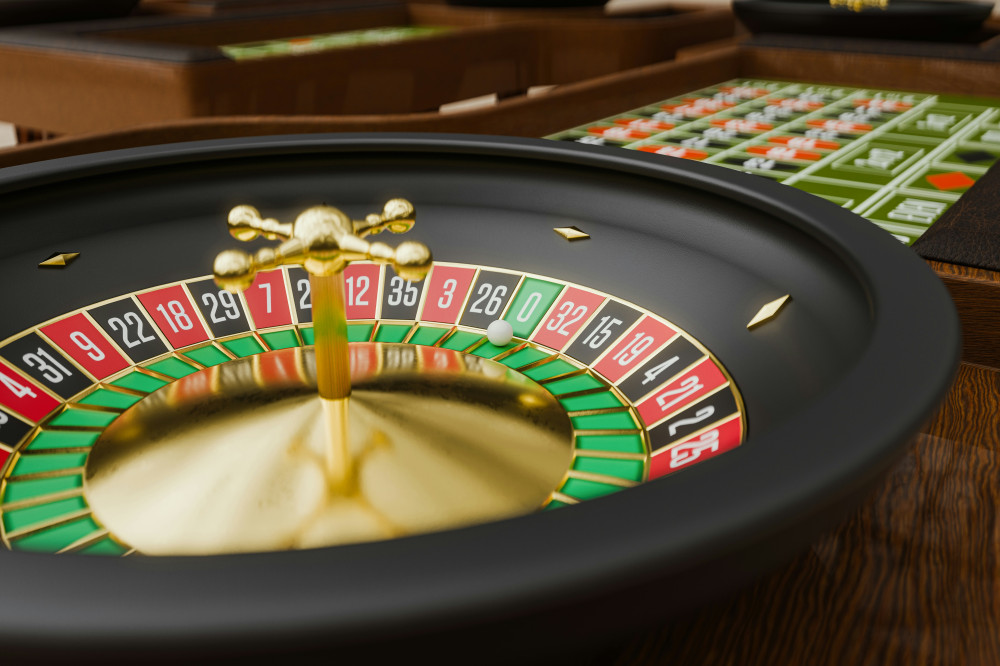
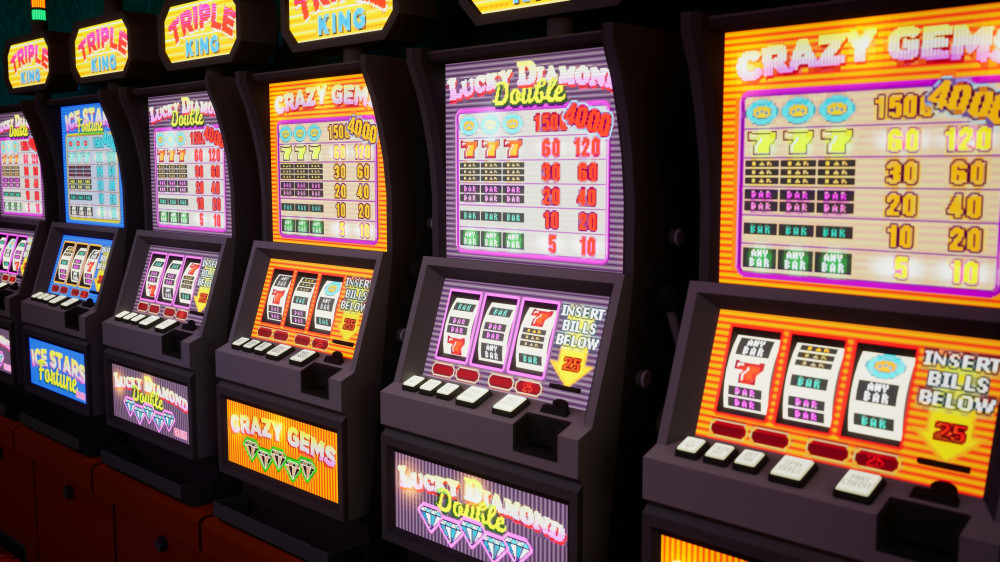
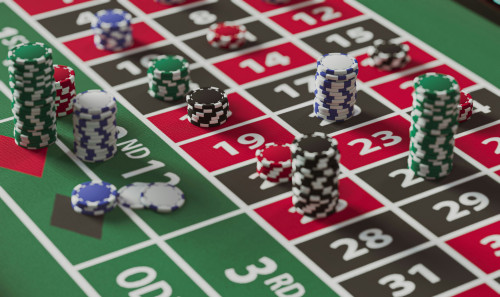
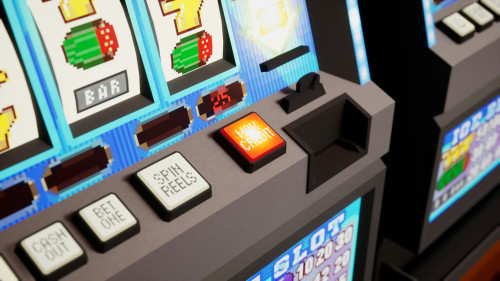
Take roulette, for example. The odds of each outcome are clear, and the result depends on a visible spin of the wheel. That transparency makes it feel fair. Slot machines, on the other hand, can seem less fair because their inner workings—random number generators and payout algorithms—are invisible. Even though modern slots are heavily regulated and tested for randomness, the lack of visible mechanics can make them feel opaque and unpredictable.
Game Theory’s View of the Casino
Game theory studies strategic decision-making in situations where outcomes depend on both chance and the choices of others. In casinos, games generally fall into two categories:
- Pure chance games, like roulette, craps, and slots, where no strategy can change the odds.
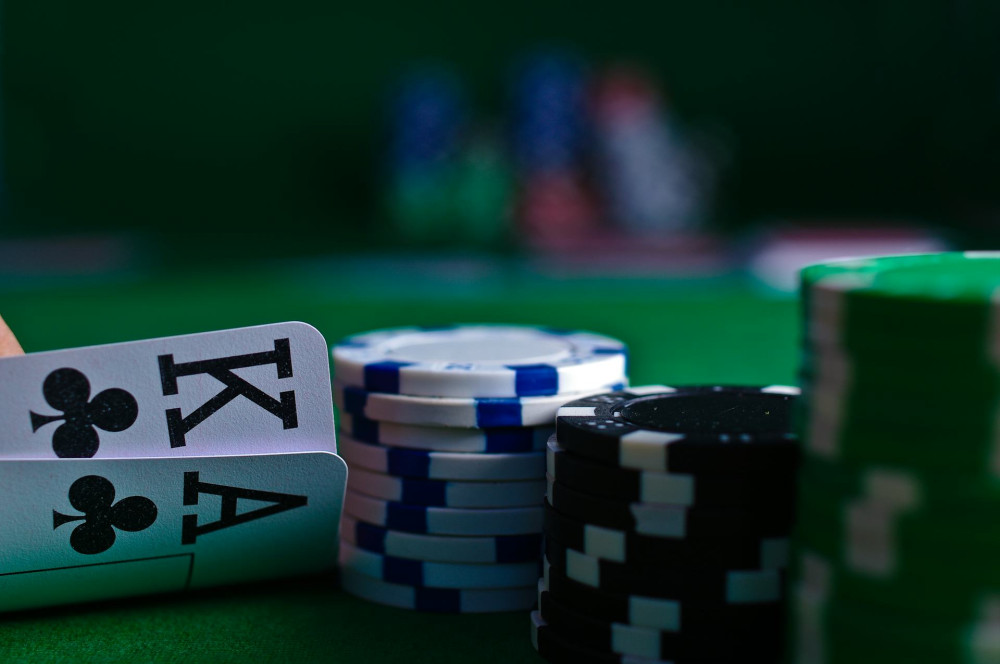
- Strategic games, like blackjack and poker, where player decisions influence the outcome.
In strategic games, players often feel a greater sense of control—and therefore, fairness. When you can make rational choices that improve your chances, the game feels more balanced, even though the house still holds a mathematical advantage.
Læs også:


The House Edge – and Why It Feels Different
Every casino game has a built-in “house edge,” the percentage the casino expects to earn over time. In American roulette, for instance, the house edge is about 5.26%, while many slot machines range from 5% to 10%.
But the experience of fairness isn’t just about the numbers. It’s also about how wins and losses are distributed. A game that offers frequent small wins may feel fairer than one that delivers long losing streaks followed by rare big payouts—even if both have the same house edge.
The Psychology of Fairness
Humans are notoriously bad at judging probability objectively. We respond emotionally to patterns, luck, and streaks. When a game behaves as we expect—say, red and black alternating fairly evenly in roulette—it feels fair. When we hit a long losing streak, we may start to suspect the game is “rigged,” even if it’s just random variation.
The illusion of control also plays a major role. In blackjack, where you can make decisions like hitting or standing, you feel that your skill matters. In slots, where you simply press a button, you’re a passive participant—and that can make the game feel less fair, even if the odds are transparent.
Regulation and Transparency
In the United States, both land-based and online casinos are subject to strict regulation. State gaming commissions and independent testing agencies ensure that games use certified random number generators (RNGs) and meet fairness standards. Still, not every player trusts the system.
To build confidence, many online casinos now display the game’s Return to Player (RTP) percentage or use “provably fair” systems that let players verify outcomes themselves. The more visible and understandable the system, the fairer it feels.
When Fairness Becomes Part of the Experience
Fairness in casino games isn’t just about math—it’s about perception. A game can be statistically fair but still feel unfair if players don’t understand how it works. Conversely, a game with a lower payout can feel fair if it offers transparency, control, and excitement.
For casinos, the challenge is to design games that are both profitable and perceived as fair. For players, the key is understanding how probability and game theory shape the experience—and remembering that fairness doesn’t mean you’ll win, only that you know exactly what you’re playing for.
Læs også: