When Professionals and Hobby Gamblers Meet: How They Influence Each Other in the Betting Market

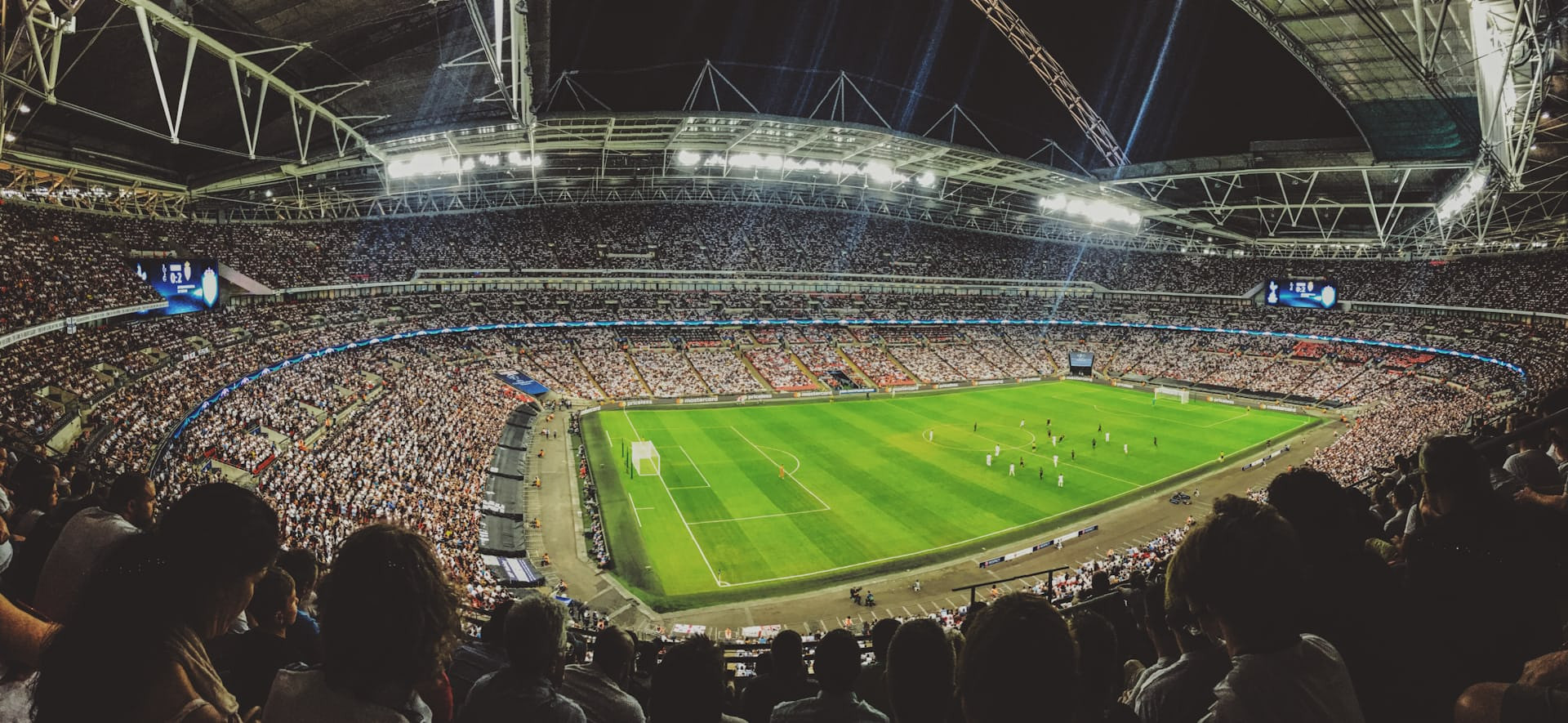
When Professionals and Hobby Gamblers Meet: How They Influence Each Other in the Betting Market
The betting market in the United States has evolved rapidly in recent years, especially after the legalization of sports wagering in many states. It’s a dynamic ecosystem where both professional bettors and casual players shape odds, trends, and strategies. While their motivations differ greatly, their interaction creates a balance that defines how the market moves. Professionals chase long-term profit through precision and analysis, while hobby gamblers seek entertainment and excitement. Yet, when these two groups meet, they influence each other in ways that keep the market alive and constantly changing.
Two Worlds, Two Goals
To understand how professionals and hobby gamblers affect one another, it’s important to look at what drives them. Professional bettors—often called “sharps”—approach betting like an investment. They rely on data models, statistical analysis, and market inefficiencies to find value bets. Their goal isn’t the thrill of the game but consistent profit over time. Many treat it as a full-time job, managing bankrolls and tracking performance with the same discipline as a financial trader.
Hobby gamblers, on the other hand, bet for fun. For them, placing a wager on the Super Bowl, March Madness, or a local NBA game adds excitement and emotional engagement. It’s about being part of the action, sharing the experience with friends, and maybe winning a little extra cash. For most, it’s entertainment—not a livelihood.
These two groups coexist on the same platforms, but their intentions couldn’t be more different. And it’s precisely this coexistence that keeps the market balanced.
How Hobby Gamblers Shape the Odds
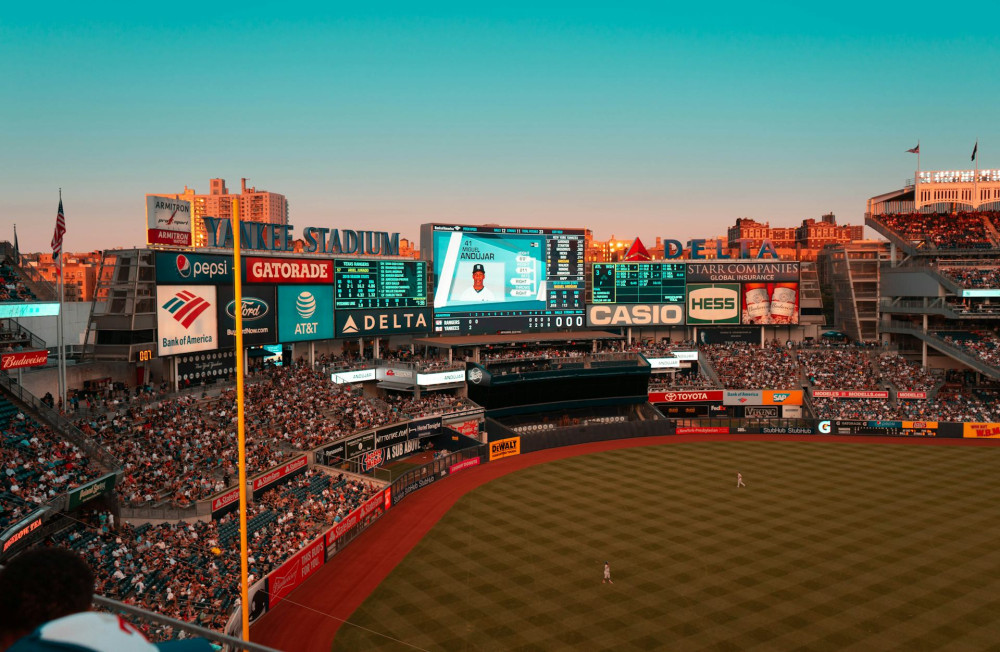
Casual bettors make up the vast majority of the betting population, and their collective behavior has a major impact on how sportsbooks set and adjust odds. When large numbers of fans bet on popular teams—say, the Dallas Cowboys, the New York Yankees, or the Los Angeles Lakers—sportsbooks often adjust the lines to account for the flood of public money. This phenomenon, known as “public bias,” can cause odds to shift away from the true probability of an outcome.
For professional bettors, this creates opportunity. When the public overvalues a favorite, the opposing side may offer better value. In this way, the enthusiasm of hobby gamblers indirectly creates the inefficiencies that professionals exploit. The casual bettor’s passion becomes the sharp’s profit potential.
Professionals as Market Correctors
Professionals also play a crucial role in keeping the market efficient. When sportsbooks post odds that deviate too far from reality, sharp bettors quickly identify and act on them. Their large wagers force sportsbooks to adjust lines, bringing them closer to the true probabilities. This process—often called “market correction”—helps maintain balance and fairness across the industry.
In major markets like the NFL or NBA, this means that odds rarely stay mispriced for long. The presence of professionals ensures that the market remains competitive and accurate. For casual bettors, this makes it harder to win consistently, but it also ensures a more stable and transparent betting environment.
Blurring the Lines
As technology and data have become more accessible, the line between professional and hobby gambler has started to blur. Many casual bettors now use analytics tools, odds comparison sites, and social media insights to make more informed decisions. At the same time, professional bettors have become more visible—sharing strategies through podcasts, YouTube channels, and online communities.
This exchange of knowledge has made the market more sophisticated. Hobby gamblers are becoming smarter, and professionals are adapting to a more informed public. Sportsbooks, in turn, must constantly refine their models to stay ahead of both groups.
Læs også:


A Market in Motion
The interaction between professionals and hobby gamblers ensures that the betting market never stands still. Professionals hunt for inefficiencies; hobby gamblers drive volume and excitement; sportsbooks balance the two. When new trends emerge—like live betting, esports, or micro-betting—it’s often the casual players who lead the charge, while professionals follow to analyze and find value.
Without hobby gamblers, the market would lose its energy and liquidity. Without professionals, it would lose its structure and accuracy. Together, they create a self-regulating system that keeps the industry vibrant and evolving.
Balancing Entertainment and Strategy
Ultimately, betting is about two things: entertainment and strategy. For the hobby gambler, it’s about the thrill of the game. For the professional, it’s about the pursuit of profit. But when these two worlds meet, they create a market where both can find satisfaction in their own way.
For casual bettors, understanding how professionals think can lead to smarter, more responsible play. For professionals, it’s worth remembering that the market thrives because millions of people bet for fun. It’s in this intersection—between passion and precision, between excitement and expertise—that the betting market finds its rhythm.
Læs også: