Poker Table Etiquette: The Rules That Ensure a Fair and Enjoyable Game for Everyone

Poker Table Etiquette: The Rules That Ensure a Fair and Enjoyable Game for Everyone
Poker isn’t just about cards, strategy, and luck—it’s also about respect. Whether you’re playing in a Las Vegas casino, at your local card room, or around the kitchen table with friends, table etiquette is a key part of the game. It ensures that everyone has a good time and that the game runs smoothly and fairly. Here’s a guide to the most important written and unwritten rules that make you a welcome player at any poker table.
Respect the Game—and the People at the Table
The first and most important rule of poker etiquette is respect. Treat the dealer and your fellow players with courtesy, no matter how the cards fall. Don’t mock opponents, criticize their play, or show frustration when you lose a hand. Poker is a mix of skill and chance, and everyone experiences both good and bad runs.
A friendly attitude goes a long way. Remember, you’re playing with people, not against enemies.
Keep the Game Moving
A good poker game has rhythm, and that rhythm depends on everyone playing at a reasonable pace. Take the time you need to think, but don’t drag out decisions unnecessarily. Slow play can frustrate others and break the flow of the game.
On the other hand, don’t act before it’s your turn. Acting “out of turn” can give away information and cause confusion. Pay attention to the action and wait until the dealer or the player before you has completed their move.
Don’t Talk About the Hand in Progress
When a hand is being played, avoid commenting on cards, odds, or what you think someone might be holding. Even if you’re no longer in the hand, your words could influence the outcome or give away information. Keep your thoughts to yourself until the hand is over.
If you’ve folded, let the remaining players finish without interruption. A good rule of thumb: talk less, play more.
Show Your Cards Properly
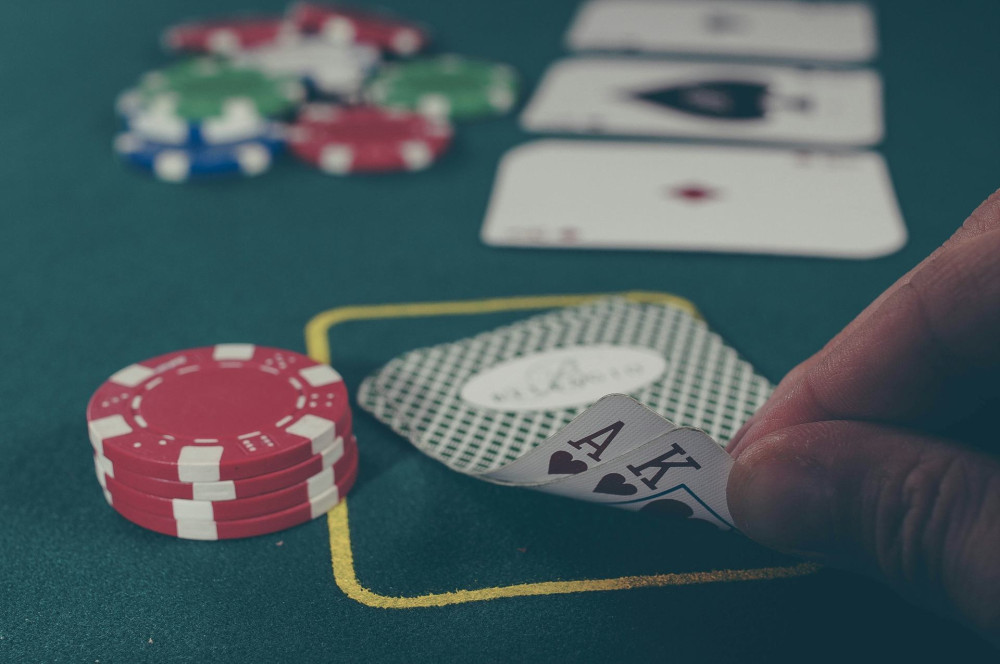
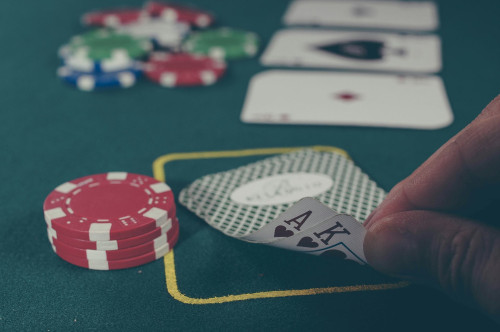
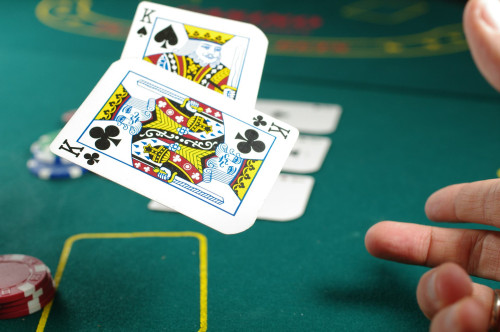
When it’s time to show your cards, do it clearly and correctly. Place them face up on the table so the dealer and other players can see them. It’s fine to “muck” (fold without showing) if you’re not required to reveal your hand, but don’t toss your cards carelessly or in frustration. That’s disrespectful and can cause confusion.
If you win a hand, wait for the dealer to confirm before pulling in the pot. This helps avoid disputes and keeps the game orderly.
Læs også:


Handle Your Chips Responsibly
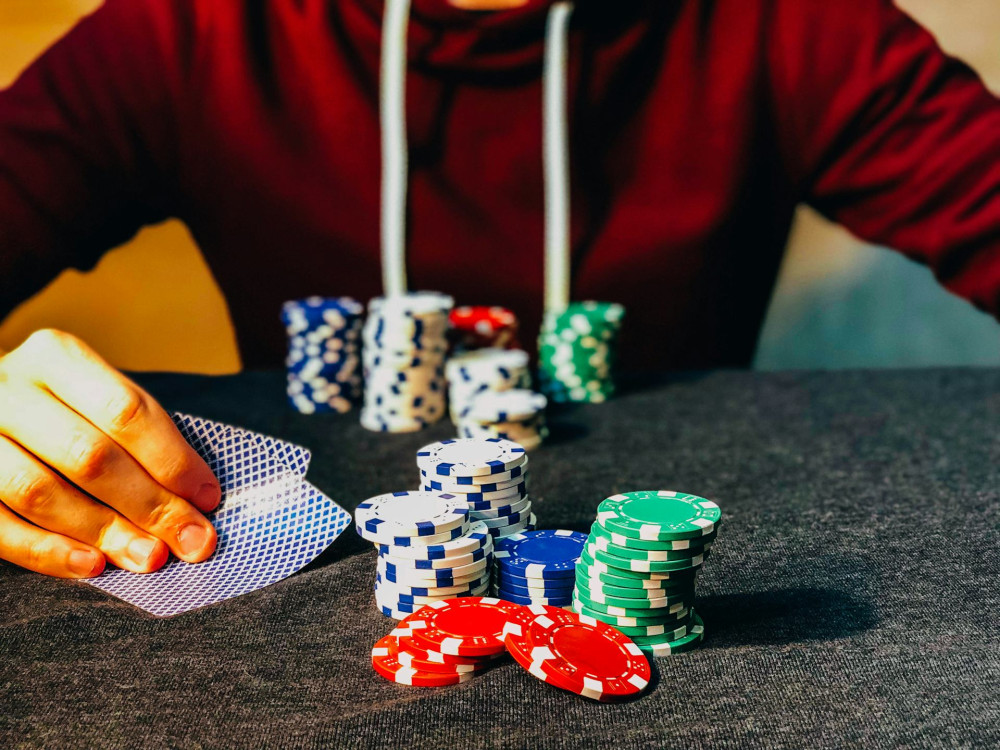
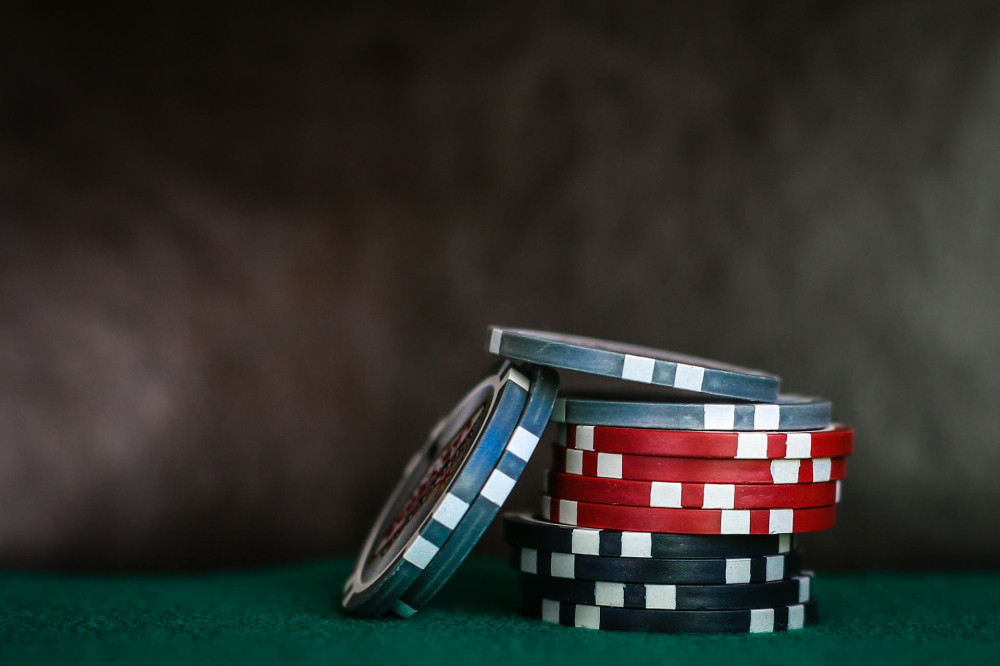
Your chips are your tools in the game, and how you handle them matters. Keep your chips neatly stacked in front of you so everyone can see your stack size. Transparency prevents misunderstandings. Avoid excessive chip shuffling or fidgeting—it can distract others.
When you bet, make your action clear. Announce the amount or push your chips forward in one motion. “String betting”—placing chips in multiple motions—is not allowed in most poker rooms because it can be used to gauge reactions unfairly.
Avoid the “Slow Roll”
One of the biggest breaches of poker etiquette is the “slow roll”—deliberately taking too long to reveal a winning hand when it’s obvious you’ve won. It’s seen as taunting and creates bad feelings. If you have the best hand, show it promptly and take the pot with grace.
Be Mindful of Alcohol, Phones, and Distractions
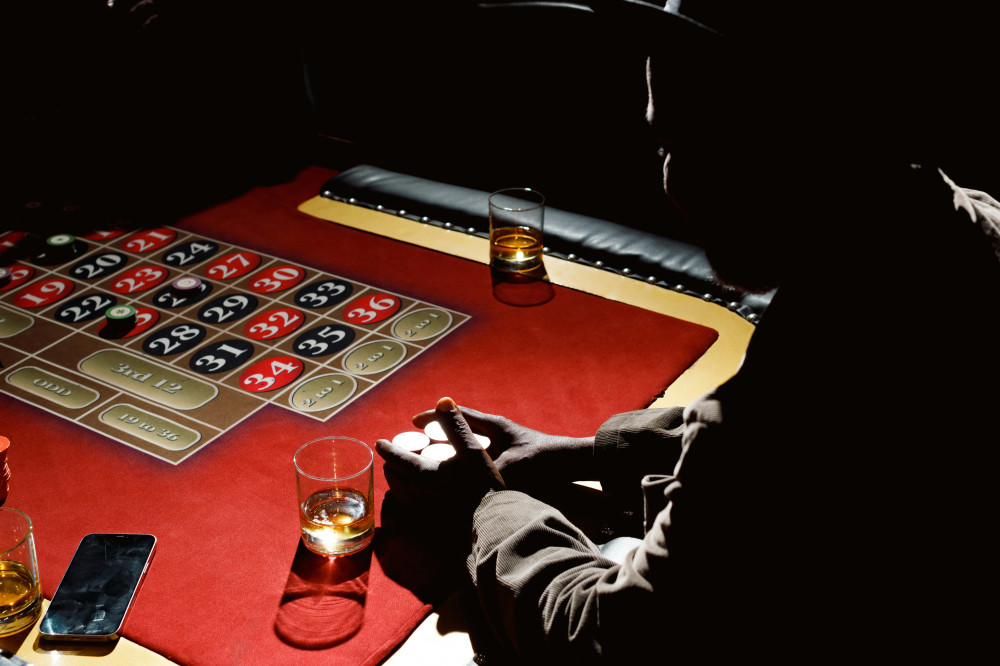
A drink or two can make the game more social, but too much alcohol can ruin the atmosphere. Play and drink responsibly, and don’t get loud or disruptive. The same goes for your phone—keep it off the table and avoid checking messages during hands. It slows down the game and shows a lack of focus.
If you need to step away, let the dealer and other players know so they’re not waiting for you.
Be a Gracious Loser—and a Humble Winner
Poker is unpredictable. You can play perfectly and still lose, or make a risky move and win big. What matters most is how you handle both outcomes. A good loser accepts defeat without drama, and a good winner celebrates without gloating.
Showing sportsmanship and respect doesn’t just make you a better player—it makes you someone others want to play with again.
Etiquette Makes the Game
In the end, poker table etiquette is about creating an environment where everyone can enjoy the game. When players follow the rules and keep a positive tone, poker becomes what it’s meant to be: a thrilling, social, and challenging game where competition and camaraderie go hand in hand.
So next time you sit down at the table, remember: the best player isn’t just the one who wins the most hands—it’s the one who helps everyone have a great time.
Læs også: